Switzerland’s food scene is one of those hidden gems that sneaks up on you. Sure, everyone knows about the chocolate and cheese, but once you dig in, you realize the country’s cuisine is a cozy blend of hearty mountain fare, regional twists, and influences from neighbors like France, Germany, and Italy. I’ve been lucky enough to spend time in places like Geneva, Zurich, and the Alps, and let me tell you, nothing beats sitting in a wooden chalet with snow outside, dipping bread into bubbling cheese or scraping melted raclette over potatoes. It’s comfort food at its finest—simple ingredients elevated by tradition and quality.
This list of 20 must-try Swiss foods draws from classics locals swear by and regional specialties that make every canton feel unique. Whether you’re planning a trip or just want to recreate the magic at home, these are the ones worth seeking out.
1. Cheese Fondue
Fondue isn’t just a dish; it’s a social event. Melted Gruyère and Emmental (sometimes Vacherin) mixed with white wine, garlic, and a splash of kirsch—it’s Switzerland’s ultimate winter warmer. You dip crusty bread, and if your piece falls in, tradition says you buy the next round or face a silly penalty.
I remember my first fondue in Gruyères village. The pot sat between friends, and we laughed through the night as the cheese got thicker. It’s communal, messy, and impossible not to love.
2. Raclette
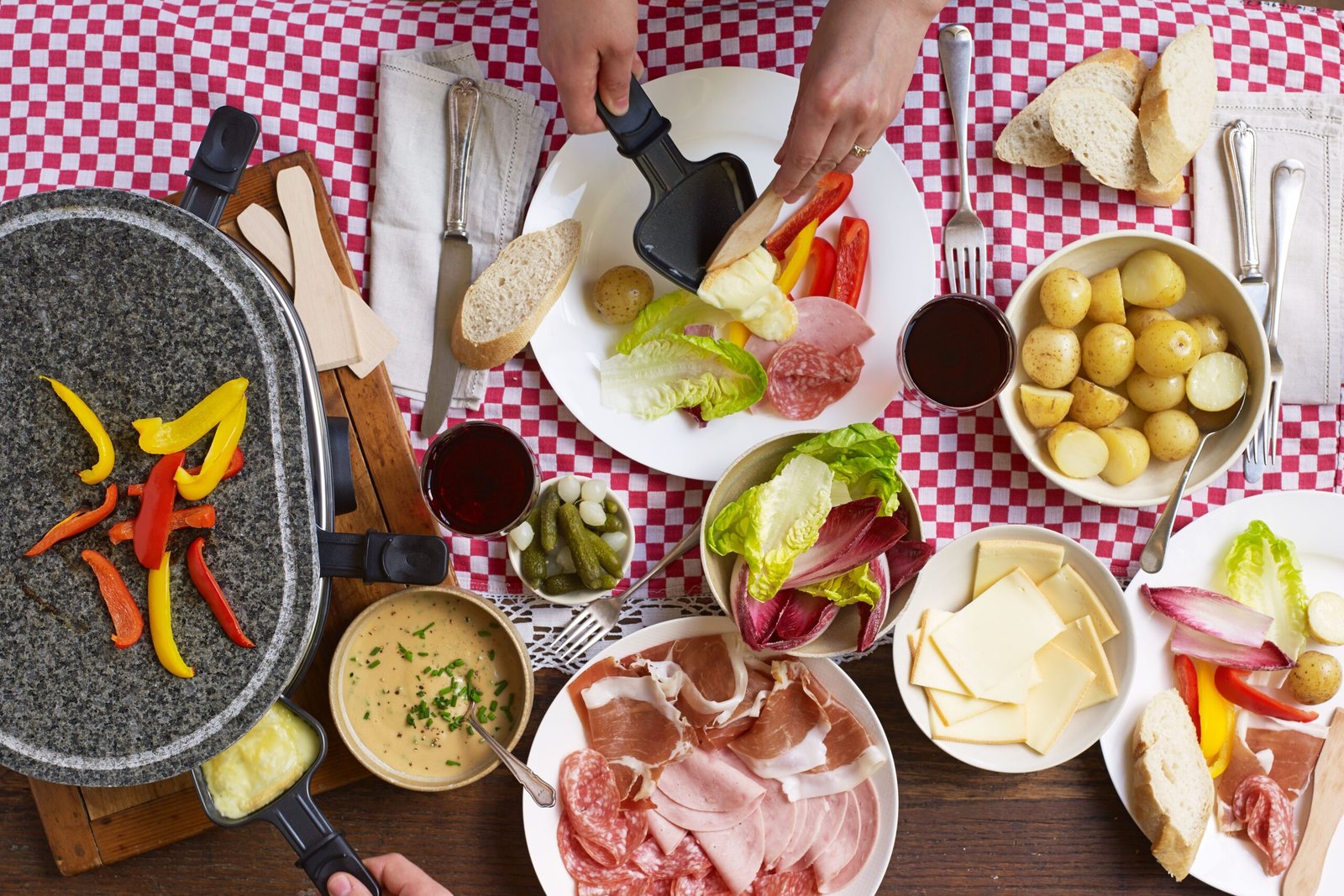
Raclette takes melted cheese to another level. A wheel of Raclette cheese is heated, then scraped (“racler” means to scrape) onto boiled potatoes, pickled onions, gherkins, and dried meats. It’s interactive—often done tableside with a special grill.
In Valais, where it originated, I watched a waiter expertly scrape the gooey layer. Paired with local Fendant wine, it’s pure Alpine bliss after a day on the slopes.
3. Rösti
These crispy potato pancakes are Switzerland’s answer to hash browns. Grated potatoes fried golden, often topped with bacon, cheese, or a fried egg. Bern-style rösti is plain and perfect as a side.
Rösti is everyday food for many Swiss—think brunch or dinner staple. One morning in Bern, I had it with everything on top, and it felt like the ultimate hangover cure (not that I had one…).
4. Älplermagronen
Herdsman’s macaroni: elbow pasta mixed with potatoes, cheese, cream, and onions, topped with crispy bacon bits. Served with applesauce for that sweet-savory contrast.
This dish screams mountain hut. I tried it in the Bernese Oberland after a hike—comforting, filling, and surprisingly addictive. The applesauce cuts the richness perfectly.
5. Zürcher Geschnetzeltes
Zurich’s signature: veal strips in a creamy mushroom sauce with white wine, served with rösti. It’s elegant yet hearty.
In Zurich, every traditional restaurant has it. The sauce is velvety, the veal tender—pair it with a local white wine for authenticity.
6. Birchermüesli
Invented by Dr. Bircher-Benner in the late 1800s for health reasons, this overnight oats mix includes rolled oats, grated apple, nuts, yogurt, and milk. It’s breakfast royalty.
I eat it almost daily when in Switzerland—fresh, light, and surprisingly filling. Add berries for summer vibes.
7. Swiss Chocolate
Switzerland consumes more chocolate per capita than anywhere else. Brands like Lindt, Toblerone, Cailler, and artisan makers produce creamy, high-cocoa bars.
Visit a factory tour in Broc for Cailler—it’s magical. Dark, milk, pralines—there’s no wrong choice.
8. Swiss Cheeses
Beyond fondue: Gruyère (nutty, perfect for melting), Emmental (holey classic), Appenzeller (spicy, herbal), Tête de Moine (shaved rosettes), Sbrinz (hard, Parmesan-like).
Cheese shops are everywhere. Try a tasting platter—it’s eye-opening how varied they are.
9. Capuns
Graubünden specialty: small dumplings of dough, speck, and herbs wrapped in Swiss chard leaves, served in bouillon or creamy sauce.
I discovered these in the Engadine—comforting little packets of flavor. Each family has their twist.
10. Bündnerfleisch
Air-dried beef from Graubünden, thinly sliced. Similar to prosciutto but beefier and spiced.
Perfect on bread or in salads. It’s a hiking snack staple—light but protein-packed.
11. Papet Vaudois
Vaud canton classic: leeks and potatoes simmered, topped with saucisson vaudois (smoked pork sausage). Hearty and simple.
Tried it in Lausanne—earthy, satisfying, and very local.
12. Polenta from Ticino
Italian-influenced Ticino serves creamy polenta with meat sauces or melted cheese. Often with rabbit or osso buco.
In Lugano, it’s everywhere—warm and comforting.
13. Basler Läckerli
Basel’s spiced honey biscuits with nuts and candied peel. Like gingerbread but denser.
Great with coffee—chewy, aromatic, and addictive.
14. Malakoff
Fried cheese balls from Vaud: Gruyère batter-coated and deep-fried. Crispy outside, gooey inside.
A bar snack favorite—dangerously moreish.
15. Tarte au Vin Cuit (or Cholera)
Valais pie with leeks, potatoes, cheese, and apples. Originally from hardship times (“cholera” from the disease era).
Savory-sweet and rustic—tastes like history.
16. Cervelat
Switzerland’s national sausage—smoked pork/beef, grilled or boiled. Often called the “poor man’s steak.”
Street food icon—simple, smoky perfection.
17. Riz Casimir
Curry rice with pineapple, bananas, chicken, and cream sauce. A quirky 1950s invention.
Sweet-spicy and retro—surprisingly good.
18. Meringues with Double Cream
Fribourg’s double cream (crème double) atop meringues. Light yet decadent.
In Gruyères, pair with berries—pure indulgence.
19. Absinthe
Val-de-Travers birthplace of the “green fairy.” Herbal spirit, louched with water.
Sip slowly—strong and aromatic.
20. Swiss Wines
Often overlooked, but excellent: Chasselas whites, Pinot Noir reds from Valais and Vaud.
Try local—fresh, crisp, and food-friendly.
Comparison: Fondue vs. Raclette
| Aspect | Fondue | Raclette |
|---|---|---|
| Cheese Type | Gruyère/Emmental blend | Raclette wheel |
| Serving Style | Dipped with bread | Scraped over potatoes/meats |
| Social Vibe | Pot in center, communal dipping | Individual portions, grilling |
| Best Season | Winter evenings | Après-ski or winter dinners |
| Accompaniments | Bread, kirsch, wine | Potatoes, pickles, onions |
Both are melty cheese heaven, but fondue feels more interactive while raclette is straightforward and customizable.
Pros & Cons of Swiss Cheese-Heavy Dishes
Pros
- Incredibly flavorful and comforting
- High-quality, local ingredients
- Great for sharing and social meals
- Vegetarian-friendly options abound
Cons
- Heavy on calories and fat
- Not ideal for lactose-intolerant folks (though some adapt)
- Can feel repetitive if overdone
- Pricier in tourist spots
Balance with hikes and fresh air—Switzerland makes it easy.
People Also Ask
What is the national dish of Switzerland?
No single official one, but fondue and raclette top most lists. Fondue often gets the nod for its cultural status.
What is the most famous food in Switzerland?
Cheese fondue and Swiss chocolate. They’re global icons for a reason.
What do Swiss people eat for breakfast?
Bread with butter/jam/cheese, muesli, yogurt, coffee or hot chocolate. Simple and hearty.
Is Swiss food healthy?
Mixed—lots of dairy and meat, but fresh produce, muesli, and active lifestyles help. Chocolate in moderation!
Where to try authentic Swiss fondue?
Gruyères for tradition, mountain huts for atmosphere, or Zurich restaurants for modern takes.
FAQ
Q: Can vegetarians enjoy Swiss food?
Absolutely—fondue, raclette (skip meats), rösti, muesli, and cheese platters work well. Many places offer veg versions of capuns or älplermagronen.
Q: What’s the best time to try fondue and raclette?
Winter, hands down. They’re warming and tied to cold-weather traditions, though available year-round.
Q: How authentic is Swiss chocolate?
Very—Switzerland pioneered modern chocolate. Look for Swiss-made (not just packaged) for the real deal.
Q: Are Swiss portions big?
Generous but not overwhelming. Focus on quality over quantity.
Q: Any must-try drinks with these foods?
Local wines (Fendant with fondue), kirsch, or herbal teas. Beer from small breweries pairs great with sausages.
Swiss food is about warmth, quality, and sharing. Next time you’re there, skip the tourist traps and head to a local spot—your taste buds (and maybe your waistline) will thank you. Bon appétit—or as the Swiss say, en Guete!