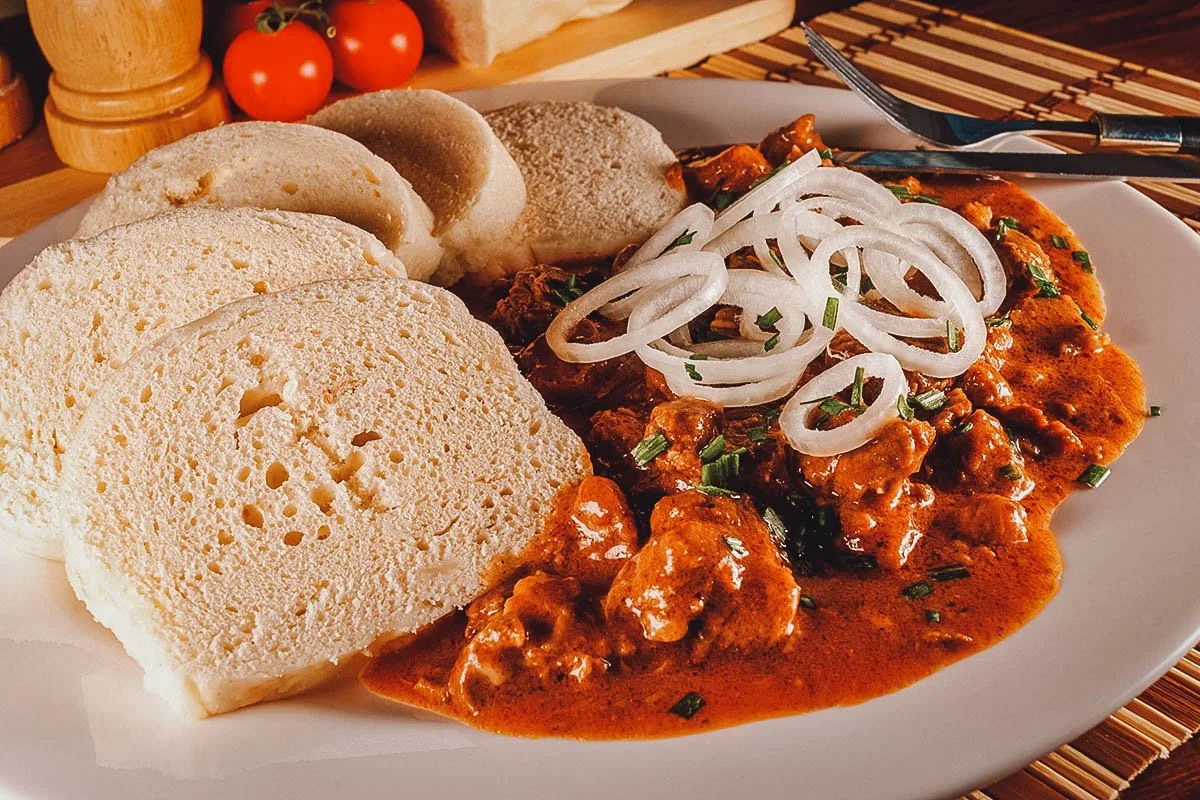
Czech cuisine is hearty, comforting, and deeply rooted in the country’s agricultural heritage and Central European influences. It emphasizes simple, seasonal ingredients like potatoes, cabbage, root vegetables, pork, beef, and dairy, often paired with the world’s best beer. While it shares traits with German, Austrian, and Hungarian cooking due to historical ties in the Austro-Hungarian Empire, Czech dishes stand out for their rich sauces, fluffy dumplings, and balance of savory and slightly sweet flavors. Think cozy winter meals that warm you from the inside out—perfect after a day exploring Prague’s cobblestone streets.
I’ve had the chance to dive into this food world during a trip to Prague a few years back. Walking into a traditional hospoda (pub), the smell of roasting meat and fresh bread dumplings hit me like a hug. My first bite of svíčková had me hooked—it’s that good. Let’s break down the main types of Czech dishes so you can plan your own feast.
Iconic Main Meat Dishes
These are the heavy hitters of Czech dining, often served as the centerpiece of lunch (the biggest meal of the day).
Svíčková na Smetaně (Marinated Beef Sirloin in Cream Sauce)
This is widely regarded as the king of Czech cuisine. Tender marinated beef tenderloin is roasted, sliced, and drowned in a velvety sauce made from root vegetables (carrots, celery, parsley), cream, and a touch of lemon for brightness. It’s topped with whipped cream, cranberries, and served with knedlíky. The contrast of rich sauce, tart cranberries, and fluffy dumplings is pure magic. Many families make it for special occasions—it’s labor-intensive but worth every minute.
Vepřo Knedlo Zelo (Roast Pork with Dumplings and Sauerkraut)
Often called the national dish, this trio is simple yet unbeatable: juicy roasted pork (usually shoulder or knuckle), bread or potato dumplings, and tangy sauerkraut. The pork crackling adds crunch, while the sauerkraut cuts through the richness. It’s pub food at its finest—pair it with a Pilsner Urquell, and you’re living like a local.
Hovězí Guláš (Beef Goulash)
Czech goulash differs from the Hungarian version—it’s thicker, less paprika-heavy, and often features more onions and caraway. Chunks of beef slow-cooked in a hearty gravy, served with bread dumplings or houskové knedlíky. It’s warming, filling, and a staple in every traditional restaurant.
Other notable meat dishes include pečená kachna (roasted duck with red cabbage, often for Sundays or holidays) and smažený vepřový řízek (breaded pork schnitzel, crispy and golden).
Hearty Soups – The Starter That Feels Like a Meal
Soups are non-negotiable in Czech meals, even in summer. They’re thick, flavorful, and often the highlight.
Kulajda
A creamy potato soup loaded with mushrooms, dill, vinegar for tang, and topped with a poached egg. It’s from South Bohemia and has a unique sour-creamy balance that surprises first-timers—in the best way.
Česnečka (Garlic Soup)
The ultimate hangover cure or cold remedy. Broth infused with tons of garlic, potatoes, cheese, and sometimes croutons or egg. It’s pungent but oddly comforting.
Bramboračka
Potato soup with mushrooms, veggies, and herbs—rustic and earthy.
Dumplings – The Unsung Heroes
Knedlíky are essential; no sauce is complete without them.
- Houskové knedlíky (bread dumplings): Made from stale bread, flour, milk, and eggs—steamed into fluffy cylinders, sliced, and perfect for soaking up gravy.
- Bramborové knedlíky (potato dumplings): Heavier, with mashed potatoes in the mix.
- Ovocné knedlíky (fruit dumplings): Sweet versions stuffed with plums, strawberries, or apricots, topped with butter, sugar, and quark—dessert disguised as a side.
Vegetarian and Lighter Options
Czech food isn’t all meat—though it leans heavy.
Smažený sýr (Fried Cheese)
Edam or similar cheese, breaded and fried, served with tartar sauce and fries. It’s like a giant mozzarella stick but better. Vegetarians love it.
Bramboráky (Potato Pancakes)
Grated potatoes with garlic, marjoram, and fried in lard—crispy outside, soft inside. Often as a side or snack.
Úsměvné chlebíčky (Open-Faced Sandwiches)
Topped with potato salad, ham, cheese, or veggies—perfect for quick lunches.
Sweet Treats and Desserts
Czechs have a sweet tooth, with many baked goods using fruit and minimal sugar.
Koláče (Kolache)
Round pastries filled with poppy seeds, quark, or fruit—regional variations abound, like Valašský frgál from Moravia.
Koblihy
Jam-filled donuts, dusted with sugar.
Trdelník
A chimney cake of rolled dough grilled over coals, often filled with ice cream—more touristy but delicious.
Lívance
Thick, yeasted pancakes served with fruit or jam.
Regional Variations
Czech cuisine varies by region:
- Bohemia (Prague area): Focus on sauces and dumplings, like svíčková.
- Moravia: More wine influence, spicier goulash, and specialties like frgál cakes.
- Silesia: Heavier on potatoes and game meats.
Comparison of Popular Main Dishes
| Dish | Main Protein | Key Accompaniments | Flavor Profile | Best For |
|---|---|---|---|---|
| Svíčková na Smetaně | Beef | Dumplings, cream sauce, cranberries | Rich, creamy, tangy | Special occasions |
| Vepřo Knedlo Zelo | Pork | Dumplings, sauerkraut | Savory, tangy, hearty | Everyday pub meal |
| Hovězí Guláš | Beef | Dumplings or bread | Onion-y, comforting | Cold days |
| Pečená Kachna | Duck | Red cabbage, dumplings | Crispy, fruity | Holidays |
Pros of Czech cuisine: Incredibly satisfying and pairs perfectly with beer; uses local, seasonal ingredients; comforting and homey.
Cons: Can be heavy and meat-centric; vegetarians have fewer options (though improving); high in calories—not ideal for light eaters.
Where to Try Authentic Czech Food
In Prague, head to traditional spots like Lokál, U Fleku (historic brewery), or Café Imperial for classics. For home-style, try hospody in smaller towns. If you’re traveling, Moravian wine regions offer unique twists.
People Also Ask
What is the most famous Czech dish?
Vepřo knedlo zelo or svíčková often top the list—both embody the hearty, saucy essence of Czech cooking.
Is Czech food spicy?
Not really—it’s more about savory, creamy, and tangy flavors with mild spices like caraway or paprika.
What do Czech people eat for breakfast?
Simple: bread with butter, ham, cheese, or yogurt; coffee or tea. No big cooked breakfasts.
Are there vegetarian Czech dishes?
Yes—smažený sýr, bramboráky, fruit dumplings, and soups like kulajda (without meat additions).
What is trdelník?
A rolled pastry grilled into a cylinder—sweet, cinnamon-dusted, often touristy but tasty.
FAQ
What makes Czech cuisine unique?
The emphasis on thick sauces, bread dumplings as a staple side, and pairing everything with world-class beer. It’s comforting food born from rural traditions.
Is Czech food similar to German food?
Yes, influences from neighbors show in pork, cabbage, and dumplings, but Czech versions lean creamier and saucier.
Can I find good Czech food outside Prague?
Absolutely—smaller towns and regions like South Bohemia or Moravia offer even more authentic, less touristy versions.
What’s a good beer to pair with Czech dishes?
Pilsner Urquell or Budvar—crisp lagers cut through the richness perfectly.
How healthy is Czech cuisine?
It’s hearty and indulgent—great for soul-warming, but watch portions if you’re calorie-conscious.
Czech cuisine isn’t flashy—it’s honest, filling, and tied to family and tradition. Next time you’re in the Czech Republic, skip the trendy spots and head to a local pub. Order the svíčková, grab a beer, and savor the warmth. You might just find your new favorite comfort food.