Hungarian cuisine is one of those hidden gems in Europe that hits you right in the comfort-food spot. It’s hearty, flavorful, and unapologetically generous with paprika—that vibrant red spice that’s basically the soul of the kitchen here. If you’re planning a trip to Hungary or just daydreaming about it from your couch, get ready: this is the kind of food that warms you from the inside out, especially on those chilly Central European evenings.
I remember my first real bowl of goulash in a tiny Budapest eatery tucked away from the tourist crowds. The waiter plunked it down with a grin, saying, “This is real Hungarian soul food.” One spoonful in, and I understood. It wasn’t some watery stew—it was rich, smoky, and perfectly balanced. That moment stuck with me, and it’s why I keep coming back to Hungarian dishes whenever I travel.
The Heart of Hungarian Cuisine: Paprika and Comfort
Hungarian food draws from its pastoral roots—think shepherds cooking over open fires—and layers in influences from neighbors like Austria, Serbia, and Turkey. The result? Bold, meat-heavy meals balanced with sour cream, fresh veggies, and endless paprika varieties (sweet, hot, smoked—you name it).
Paprika isn’t just seasoning; it’s the star. Hungarians use it generously, and it gives dishes that signature deep red hue and gentle warmth.
Iconic Soups: Starting with the Classics
Goulash (Gulyás)
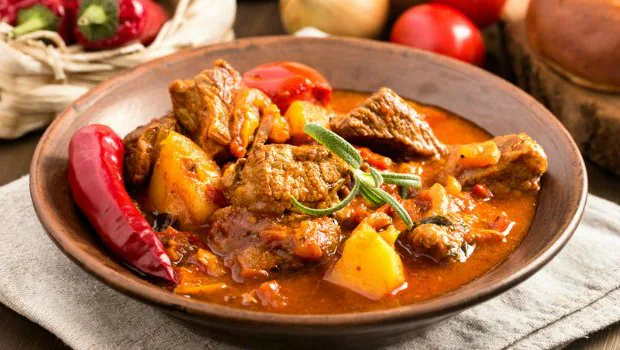
No discussion of Hungarian food starts anywhere else. Gulyás is the national dish—a thick soup (not a stew, as many outsiders think) made with beef, potatoes, carrots, onions, and heaps of paprika. It’s simmered low and slow until the meat falls apart tenderly.
Locals swear by it as hangover cure or winter warmer. Pair it with crusty bread and a dollop of sour cream for extra indulgence.
Fisherman’s Soup (Halászlé)
Spicy and soul-satisfying, this fiery fish soup hails from river regions along the Danube and Tisza. Carp, catfish, or pike get simmered with onions, tomatoes, bell peppers, and liberal hot paprika. It’s often served with fresh white bread to soak up the broth.
The heat level varies—ask for “csípős” if you like it blazing, or mild if you’re easing in.
Jókai Bean Soup
Named after a famous Hungarian writer, this hearty bean soup packs smoked pork, vegetables, and sour cream. It’s thick, comforting, and feels like a hug in a bowl—perfect for cooler days.
Must-Try Main Dishes: Hearty and Flavor-Packed
Chicken Paprikash (Csirkepaprikás)
Tender chicken pieces simmered in a creamy paprika sauce with onions, garlic, and sour cream. It’s milder than you’d expect but deeply satisfying. Served over nokedli (those pillowy little dumplings), it’s a weeknight favorite turned special-occasion star.
I once had it at a family-run spot in the countryside—the grandmother insisted on adding extra sour cream. No regrets.
Pörkölt (Meat Stew)
Often confused with goulash abroad, pörkölt is thicker and more intense. Beef, pork, or even game meat gets slow-cooked with onions and paprika until the sauce reduces to a rich, glossy coating. No potatoes here—just pure meaty goodness.
Try pork pörkölt with tarhonya (toasted egg barley) for an authentic twist.
Stuffed Cabbage (Töltött Káposzta)
Cabbage leaves wrapped around a mix of ground pork, rice, and spices, then braised in tomato sauce. It’s a holiday staple but available year-round. The flavors meld beautifully over time—leftovers taste even better.
Lecsó
A veggie-forward stew of peppers, tomatoes, onions, and sometimes sausage or eggs. It’s like ratatouille’s bolder Hungarian cousin—fresh, summery, and endlessly versatile.
Street Food and Snacks: Quick Bites with Big Flavor
Lángos
Deep-fried dough topped with garlic, sour cream, cheese, or whatever else catches your eye. It’s crispy outside, fluffy inside, and dangerously addictive. Grab one at the Great Market Hall in Budapest—pure street-food bliss.
Pros of lángos:
- Cheap and filling
- Customizable toppings
- Perfect post-sightseeing fuel
Cons:
- Greasy (but in the best way)
- Not exactly light
Chimney Cake (Kürtőskalács)
Spiral dough wrapped around a cylinder, grilled over coals, and rolled in sugar, cinnamon, or nuts. The outside caramelizes while the inside stays soft. It’s a Transylvanian-Hungarian treat that’s now everywhere in tourist spots.
Hortobágyi Palacsinta
Savory pancakes stuffed with veal or chicken paprikash filling, then baked with sour cream and paprika sauce. Creamy, tangy, and utterly moreish.
Desserts: Sweet Endings to a Rich Meal
Hungarian sweets lean toward layered cakes, strudels, and dumplings.
Dobos Torte
Five layers of sponge cake alternated with chocolate buttercream, topped with caramel shards. It’s rich but balanced—named after its inventor, József Dobos.
Somlói Galuska
A boozy trifle-like dessert with sponge cake, chocolate sauce, rum, walnuts, and whipped cream. It’s decadent and often shared (or not—I’ve seen people finish one solo).
Túrógombóc
Cottage cheese dumplings boiled, then rolled in breadcrumbs and sugar. Light yet satisfying—great with fruit compote.
Hungarian Beers: The Perfect Pairing
Hungary isn’t just about wine—beer culture has exploded, especially with craft options. Traditional lagers pair beautifully with heavy dishes.
Popular Mainstream Brands
- Dreher: The king of Hungarian beers. Dreher Classic is crisp and malty; Dreher Bak is a darker, caramel-rich bock perfect with stews.
- Soproni: Refreshing pilsner-style, great for hot days.
- Borsodi: Affordable and solid—Borsodi Bivaly offers a stronger amber kick.
Craft Scene Highlights
Budapest’s craft beer scene is thriving. Look for places like Élesztő or Csak a Jó Sör for IPAs, sours, and stouts from local breweries like Monyo or HopTop. Many pair fruity or hoppy brews with paprika-heavy foods to cut through the richness.
Comparison: Mainstream vs. Craft
| Aspect | Mainstream (Dreher, Soproni) | Craft (Monyo, HopTop) |
|---|---|---|
| Availability | Everywhere | Brewpubs & specialty shops |
| Price | Budget-friendly | Mid-range |
| Flavor Profile | Clean lagers | Bold, experimental |
| Best With | Everyday meals | Adventurous pairings |
Where to Experience It All
In Budapest, hit the Great Market Hall for lángos and fresh ingredients, or try traditional spots like Frici Papa Kifőzdéje for home-style cooking. For upscale twists, places like Kiosk elevate classics without losing soul.
Outside the capital, countryside inns serve game-heavy pörkölt and fresh halászlé.
People Also Ask (Common Questions)
Is Hungarian food spicy?
Mostly no—paprika adds warmth and color, not fire. Hot versions exist, but sweet paprika dominates.
What’s the difference between goulash and pörkölt?
Goulash is soupier with veggies and potatoes; pörkölt is thicker, meat-focused stew without them.
Are there vegetarian options in Hungarian cuisine?
Yes—lecsó, főzelék (creamy veggie stews), and palacsinta fillings work well. Many places adapt dishes.
What drinks pair best with Hungarian food?
Beers like Dreher cut richness; Tokaji wine for sweets; pálinka (fruit brandy) as digestif.
FAQ
What is the most famous Hungarian dish?
Goulash (gulyás) takes the crown—it’s hearty, paprika-packed, and loved worldwide.
Is Hungarian cuisine heavy?
Yes, it leans meaty with sour cream and butter, but fresh veggies and lighter soups balance it.
Best beer to try in Hungary?
Start with Dreher Classic for classic taste, then explore craft options for variety.
Can I find good Hungarian food outside Budapest?
Absolutely—rural areas offer authentic versions, often fresher and less touristy.
Hungarian cuisine rewards the curious eater. It’s not fussy or flashy—it’s honest, warming food born from history and heart. Next time you’re there, skip the safe options and dive into a steaming bowl of paprikash or a cold Dreher. Your taste buds (and probably your waistline) will thank you later.