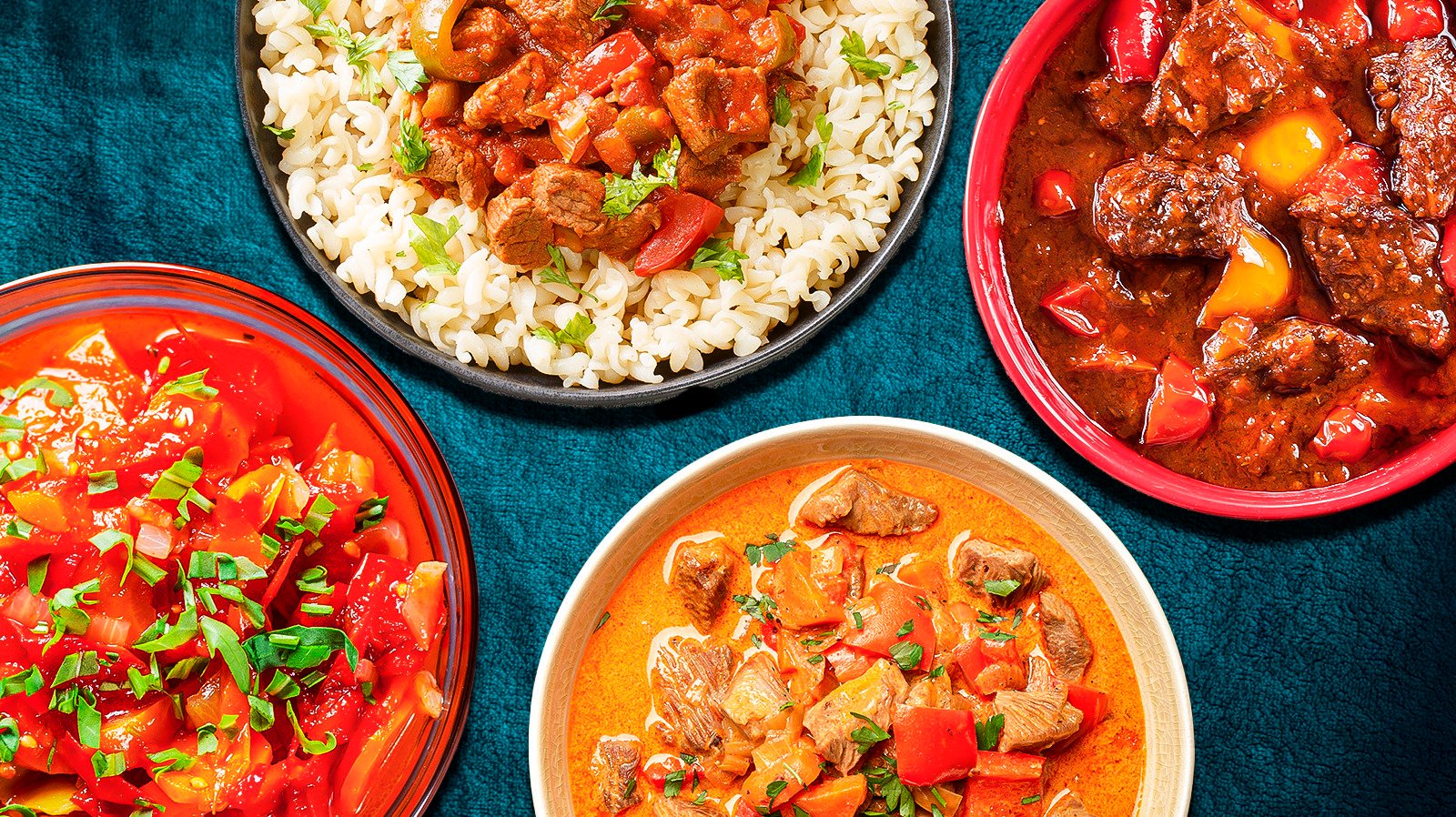
Hungarian cuisine hits you right in the soul—it’s hearty, unapologetic, and full of warmth that comes from centuries of people making do with what the land gave them. I’ve sat at family tables in Budapest where a steaming pot of goulash was the centerpiece, and I’ve wandered markets where the smell of paprika and fresh bread pulled me in like a magnet. This isn’t fancy fine dining; it’s food born from shepherds, farmers, and resilient folks who turned simple ingredients into something unforgettable.
Paprika is the heartbeat here, but it’s more than spice—it’s identity. The Ottoman Turks brought it during their long occupation, and Hungarians made it their own, turning sweet and hot varieties into the soul of stews, soups, and sauces. Add influences from Austria (think schnitzel), Jewish communities (cholent-like dishes), and even Italian touches from royal marriages, and you get a cuisine that’s layered, comforting, and surprisingly diverse.
Whether you’re planning a trip to Hungary or just cooking at home, knowing these dishes opens up a world. Let’s dive in.
The Essence of Hungarian Cuisine
Hungarian food is built around bold flavors, slow cooking, and seasonal bounty. Cold winters mean rich, meaty stews to warm the bones, while summer brings lighter fruit soups and vegetable dishes. Meat—especially pork, beef, and poultry—dominates, paired with potatoes, cabbage, sour cream (tejföl), and endless paprika. Bread is sacred, and sweets often feature nuts, poppy seeds, or cottage cheese.
What makes it special? Balance. A heavy stew might follow a light soup, or a savory dish ends with something sweet. It’s food that tells stories—of nomads, invasions, and family gatherings.
History and Influences on Hungarian Food
Hungarian cuisine traces back to the Magyar tribes arriving in the Carpathian Basin around the 9th century. They were nomadic herders, so dried meats, simple stews, and portable foods were key. Goulash evolved from those early shepherd meals cooked in cauldrons over open fires.
The Renaissance brought Italian flair when King Matthias married Beatrice of Naples—spices like garlic and saffron entered the mix. Ottoman rule (16th-17th centuries) introduced paprika, stuffed vegetables, and coffee. Austro-Hungarian Empire days added refined pastries and schnitzel.
Jewish, German, Slovak, and other communities added layers—think bean stews or layered cakes. Today, it’s a fusion that feels distinctly Hungarian.
Iconic Soups and Stews
Soups are the backbone of Hungarian meals—eaten daily, often as a main course.
Gulyás (Goulash) is the most famous. Real goulash is a soup, not thick stew: beef, potatoes, carrots, onions, and loads of paprika simmered in a bogrács (cauldron). It’s comforting on a chilly day.
Halászlé (Fisherman’s Soup) packs heat from hot paprika, made with river fish like carp, onions, and tomatoes. Regional versions vary—Szeged style is fiery.
Húsleves (Meat Soup) is Sunday classic: clear beef or chicken broth with veggies and noodles, often served family-style.
Bean soups like Jókai or Újházi are hearty, with smoked meats and sour cream.
Meat Dishes and Stews
Hungarians love meat, and these dishes showcase it.
Pörkölt is thick stew—pork, beef, or game—with onions, paprika, no sour cream. Rich and intense.
Csirkepaprikás (Chicken Paprikash) simmers chicken in creamy paprika sauce, served with nokedli dumplings. It’s mild, comforting, and addictive.
Töltött paprika (Stuffed Peppers) fills peppers with rice-meat mix in tomato sauce—Ottoman influence shining through.
Töltött káposzta (Stuffed Cabbage) layers cabbage leaves with pork-rice filling, slow-cooked in sauerkraut. Holiday favorite.
Rántott hús (Breaded Pork Cutlet) is schnitzel-style, crispy outside, tender inside.
Vegetable and Side Dishes
Don’t overlook veggies—they shine simply.
Lecsó is pepper-tomato-onion stew, like ratatouille but Hungarian. Eat alone or with eggs/sausage.
Főzelék are thick vegetable purees (spinach, bean, potato), often with roux and sour cream. Comfort food.
Nokedli are soft egg dumplings, perfect with stews.
Tarhonya is toasted egg barley, nutty and versatile.
Street Food and Snacks
Hungarian street eats are irresistible.
Lángos is deep-fried dough topped with garlic, sour cream, cheese. Greasy perfection after a night out.
Hurka sausages include liver (májas) or blood (véres), grilled or boiled.
Kolbász is paprika-spiked sausage, smoked or fresh.
Desserts and Sweets
Hungarian sweets are indulgent.
Somlói galuska layers sponge cake, chocolate, walnuts, rum, custard—decadent mess.
Dobos torta is sponge with chocolate buttercream, topped with caramel. Named after its creator.
Rétes (Strudel) fills with apple, cherry, poppy seed, or cottage cheese.
Kürtőskalács is chimney cake—sweet dough spiraled on a spit, rolled in sugar/cinnamon.
Palacsinta are thin pancakes, savory or sweet (Hortobágyi style with veal filling).
Regional Specialties
Hungary’s regions vary.
Transdanubia favors game and goose liver.
Great Plain emphasizes shepherd dishes like goulash.
Southern areas lean fish-heavy with halászlé.
86 Dishes to Know: The Ultimate List
Here’s a comprehensive roundup of Hungarian dishes—classics, hidden gems, and variations. Grouped for ease.
Soups and Stews (1-25)
- Gulyásleves (Goulash soup)
- Halászlé (Fisherman’s soup)
- Húsleves (Clear meat soup)
- Csontleves (Bone broth)
- Bableves (Bean soup)
- Jókai bableves
- Gombaleves (Mushroom soup)
- Karfiolleves (Cauliflower soup)
- Borleves (Wine soup)
- Meggyleves (Sour cherry soup, cold)
- Palóc leves
- Újházi tyúkhúsleves
- Főzelék soups (various vegetable)
- Korhelyleves (Hangover soup)
- Harkányi savanyú leves
- Tarhonyaleves
- Sólet (Bean stew, cholent-like)
- Lecsó (as soup base)
- Csülökleves (Pork knuckle soup)
- Pacalleves (Tripe soup)
- Vadgombaleves (Wild mushroom)
- Paradicsomleves (Tomato soup)
- Zöldségleves (Vegetable soup)
- Húsos káposztaleves
- Köményleves (Caraway soup)
Meat and Poultry (26-50)
- Pörkölt (various meats)
- Csirkepaprikás
- Marhapörkölt (Beef)
- Sertéspörkölt (Pork)
- Birkapörkölt (Mutton)
- Töltött paprika
- Töltött káposzta
- Rántott hús
- Hortobágyi palacsinta (savory pancake)
- Fatányéros (mixed grill platter)
- Brassói aprópecsenye (Brassó roast)
- Székelykáposzta (pork-sauerkraut stew)
- Sólet with smoked meats
- Libamáj (Foie gras)
- Kacsasült (Roast duck)
- Libasült (Roast goose)
- Hurka (liver/blood sausage)
- Kolbász (sausage varieties)
- Debreceni sausage
- Pick salami
- Disznótoros (pork offal)
- Sertésborda (pork chop)
- Borjú pörkölt (veal)
- Kakastöke pörkölt (rooster testicle stew—adventurous!)
- Májas hurka
Sides and Dumplings (51-65)
- Nokedli
- Tarhonya
- Galuska
- Sztrapacska (Bryndzové halušky style)
- Krumpligombóc (potato dumplings)
- Rizs (rice)
- Burgonya (potatoes various)
- Savanyú káposzta (sauerkraut)
- Párolt káposzta
- Paradicsomos káposzta
- Lecsó as side
- Főzelék (various)
- Csőben sült zöldségek
- Petrezselymes burgonya
- Hagymás vér (onion blood, rare)
Breads, Pastries, Street Food (66-75)
- Lángos
- Pogácsa (savory scones)
- Kenyér (bread)
- Lepény (flatbread)
- Rétes (strudel)
- Palacsinta
- Beigli (poppy seed/ walnut roll)
- Kifli (crescent rolls)
- Pozsonyi kifli
- Kürtőskalács
Desserts and Cakes (76-86)
- Dobos torta
- Somlói galuska
- Esterházy torta
- Rigó Jancsi
- Gerbeaud szelet
- Linzer
- Krémes
- Túróscsusza (cottage cheese noodles)
- Mákos guba (poppy seed bread pudding)
- Gundel palacsinta (sweet pancake)
- Túrógombóc (cottage cheese dumplings)
This list draws from traditional sources—Wikipedia’s comprehensive list, Offbeat Budapest’s guide, TasteAtlas, and local favorites. Not every Hungarian eats all 86, but they’re part of the culinary landscape.
People Also Ask (PAA)
What is the most famous Hungarian dish?
Goulash (gulyásleves)—the true version is a paprika-rich soup, not thick stew.
Is Hungarian food spicy?
Mildly—sweet paprika dominates, but hot versions add kick in dishes like halászlé.
What is a typical Hungarian breakfast?
Bread with butter, cheese, salami, or cold cuts; eggs or túró (cottage cheese).
What desserts are popular in Hungary?
Layered cakes like Dobos, strudels, chimney cake, and poppy seed treats.
Is Hungarian food healthy?
Hearty and rich—great for energy, but heavy on fats/meat. Balance with veggies.
FAQ
What makes Hungarian food unique?
Paprika’s central role, sour cream in savory dishes, and slow-simmered stews create deep flavors.
Where to try authentic Hungarian food in Budapest?
Markets like Great Market Hall for lángos; restaurants like Hungarikum Bisztró or traditional spots in Buda for goulash.
Can I make Hungarian dishes at home?
Yes—start with good paprika (Hungarian brands like Szeged). Chicken paprikash is beginner-friendly.
What’s the difference between goulash and pörkölt?
Goulash is soup-like with veggies; pörkölt is thicker stew without potatoes.
Are there vegetarian Hungarian options?
Plenty—főzelék, lecsó, mushroom dishes, túrógombóc, or palacsinta with sweet fillings.
Hungarian food isn’t just eating—it’s connecting to history and people. Next time you taste that paprika kick, remember the shepherds, kings, and families who shaped it. It’s food that sticks with you, in the best way.