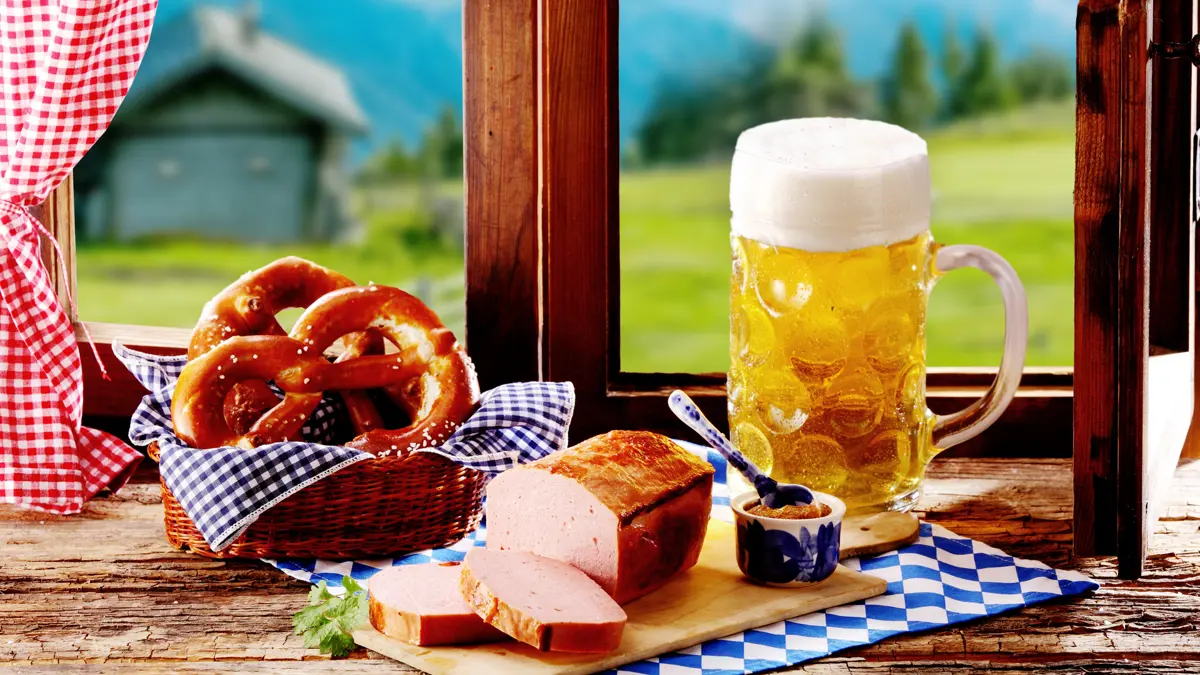
Austrian cuisine is one of those hidden gems that surprises you with its depth. It’s hearty, comforting, and often tied to the country’s alpine roots and imperial past. Think rich meats, creamy cheeses, delicate pastries, and flavors influenced by neighbors like Hungary, Italy, and Bohemia. As someone who’s wandered Vienna’s streets on chilly evenings and hiked Tyrolean trails ending at rustic huts, I’ve come to appreciate how these dishes tell stories—of emperors, farmers, and family gatherings.
This guide explores the top 9 Austrian dishes every foodie should chase. These aren’t just tourist traps; they’re beloved by locals and worth the calories. We’ll dive into what makes each special, how it’s traditionally prepared, where to find authentic versions, and why it matters.
1. Wiener Schnitzel – The Undisputed King
Wiener Schnitzel is Austria’s national pride, a thin veal cutlet pounded tender, coated in flour, egg, and breadcrumbs, then fried to golden perfection. It’s served with a lemon wedge that you squeeze over the top for brightness, often alongside Erdäpfelsalat (potato salad) or parsley potatoes.
The dish traces back to the 19th century, possibly inspired by Italian cotoletta alla Milanese, but Austrians made it their own. Real purists insist on veal—not pork or chicken substitutes—because the meat stays juicy and delicate. I once had an oversized one at Figlmüller in Vienna; it hung over the plate like a golden blanket, crispy outside, tender inside. Pure bliss.
Pros of Wiener Schnitzel:
- Crispy texture meets succulent meat
- Versatile—pairs with beer or wine
- Iconic and widely available
Cons:
- Can be heavy if over-breaded
- Veal versions are pricier
Where to try: Figlmüller (Vienna) for the classic; many Gasthäuser in the countryside offer solid versions too.
2. Tafelspitz – Emperor’s Comfort Food
Tafelspitz is boiled beef brisket simmered slowly with root vegetables, herbs, and spices until fork-tender. It’s sliced thin and served with sides like roasted potatoes, creamed spinach, apple horseradish sauce, and chives.
Emperor Franz Joseph loved this dish so much it became a staple in Viennese homes and restaurants. The broth is clear and flavorful, often saved for soup. It’s lighter than it sounds—elegant yet satisfying, especially on a cool day.
I remember ordering it at Plachutta during a rainy afternoon in Vienna. The waiter wheeled out a cart, carved the beef tableside, and explained each sauce. It felt regal, like stepping back in time.
Why foodies love it:
- Highlights quality beef
- Multiple sauces add layers
- Broth bonus for sipping
Best spots: Plachutta or traditional Beisls in Vienna.
3. Kaiserschmarrn – The Emperor’s “Messy” Pancake
Kaiserschmarrn is a fluffy shredded pancake dusted with powdered sugar, often studded with raisins and served with plum compote or applesauce. Legend says Emperor Franz Joseph accidentally tore his pancake while eating, and the “mess” (Schmarrn means nonsense) became a hit.
It’s sweet but not cloying, with caramelized edges from pan-frying. Perfect after a hike or as dessert.
On a Tyrolean mountain hut stop, I devoured a massive portion after skiing. The warmth, the sweetness—it was pure comfort.
Variations:
- Plain with sugar
- With berries in summer
- Savory versions exist but rare
Try it at alpine huts or Viennese cafés.
4. Apfelstrudel – Flaky Apple Perfection
Apfelstrudel features thin, stretched dough wrapped around spiced apples, raisins, cinnamon, and breadcrumbs for crunch. Baked until golden, it’s dusted with powdered sugar and served warm with vanilla sauce or ice cream.
Viennese strudel-making is an art—dough pulled so thin you read newspapers through it. It’s lighter than pie, with buttery layers.
I learned to make it in a Vienna cooking class; stretching dough is harder than it looks, but the result is magical.
Why it’s top-tier:
- Balanced sweet-spice
- Iconic Austrian dessert
- Pairs with coffee
Iconic place: Café Central or Demel in Vienna.
5. Sachertorte – Chocolate Decadence
Sachertorte is dense chocolate cake layered with apricot jam, coated in dark chocolate glaze. Created in 1832 for Prince Metternich, it’s simple yet luxurious.
Served with whipped cream, the tang of apricot cuts richness. Hotel Sacher guards the recipe fiercely.
My first bite at Hotel Sacher was underwhelming—overhyped?—but homemade versions in smaller cafés shine brighter.
Pros & cons:
- Rich, not too sweet
- Apricot surprise
- Can be dry if not fresh
Best: Hotel Sacher for authenticity; try alternatives elsewhere.
6. Tiroler Gröstl – Mountain Hash Heaven
Tiroler Gröstl is a hearty fry-up of potatoes, onions, bacon or beef, topped with a fried egg. From Tyrol, it’s leftover magic turned glorious.
Crispy edges, smoky meat—ideal post-hike fuel.
After hiking near Innsbruck, a hut served this steaming hot. One plate wasn’t enough.
Key elements:
- Potatoes as base
- Meat for heartiness
- Egg crown
Find in Tyrolean inns.
7. Käsespätzle – Cheesy Dumpling Bliss
Käsespätzle are egg noodles (spätzle) mixed with melted mountain cheese, topped with crispy onions. Austria’s answer to mac ‘n’ cheese.
Creamy, gooey, comforting—perfect winter dish.
In Vorarlberg, I had it bubbling in a cast-iron pan. Add chives for freshness.
Why addictive:
- Cheese pulls
- Onion crunch
- Vegetarian-friendly
Alpine restaurants excel here.
8. Gulasch – Hearty Paprika Stew
Austrian Gulasch is beef stew with onions, paprika, and sometimes potatoes or dumplings. Hungarian influence, but milder.
Thick, flavorful—great with bread.
In a Viennese Beisl, paired with beer, it warmed me after sightseeing.
Versions:
- Suppe (soupier)
- Saftgulasch (juicier)
Common everywhere.
9. Erdäpfelsalat – The Perfect Sidekick
Erdäpfelsalat is potato salad with vinegar dressing, mustard, onions—no mayo. Often with Wiener Schnitzel.
Tangy, fresh—cuts richness.
It’s deceptively simple but essential.
Every Austrian meal needs it.
Comparison Table: Hearty Mains
| Dish | Meat Type | Texture | Best Season | Calorie Level | Iconic Pairing |
|---|---|---|---|---|---|
| Wiener Schnitzel | Veal | Crispy exterior | All year | High | Lemon + Potato Salad |
| Tafelspitz | Beef | Tender boiled | Cooler months | Medium | Horseradish sauces |
| Tiroler Gröstl | Pork/Beef | Crispy fried | Winter | High | Fried egg |
| Gulasch | Beef | Stew-like | Cold days | High | Bread rolls |
| Käsespätzle | None | Cheesy/gooey | Winter | High | Onions |
People Also Ask
What is the national dish of Austria?
Wiener Schnitzel is widely regarded as Austria’s national dish, though Tafelspitz also claims the title in some circles.
Is Austrian food similar to German food?
They share influences like schnitzel and dumplings, but Austrian leans sweeter with more pastries and imperial touches.
What are popular Austrian desserts?
Beyond strudel and Sachertorte, try Kaiserschmarrn and Marillenknödel (apricot dumplings).
Where to eat authentic Austrian food in Vienna?
Figlmüller for schnitzel, Plachutta for Tafelspitz, Café Central for classics.
Is Austrian cuisine vegetarian-friendly?
Options like Käsespätzle, dumplings, and salads exist, but meat-heavy overall—ask for veggie versions.
FAQ
What’s the difference between Wiener Schnitzel and regular schnitzel?
Wiener specifies veal, thin, and pan-fried—not deep-fried. Pork versions are common but not “true” Wiener.
Can I make these at home?
Yes—start with schnitzel or strudel. Fresh ingredients matter most.
Are these dishes seasonal?
Hearty ones suit winter; lighter salads and strudel year-round.
What’s a good Austrian drink pairing?
Beer like Stiegl for savory; Grüner Veltliner wine for lighter dishes; coffee with desserts.
Austrian cuisine rewards the adventurous eater. From imperial elegance to alpine rusticity, these nine dishes capture its soul. Next trip, skip the obvious and hunt local spots—you’ll taste the difference. Guten Appetit!