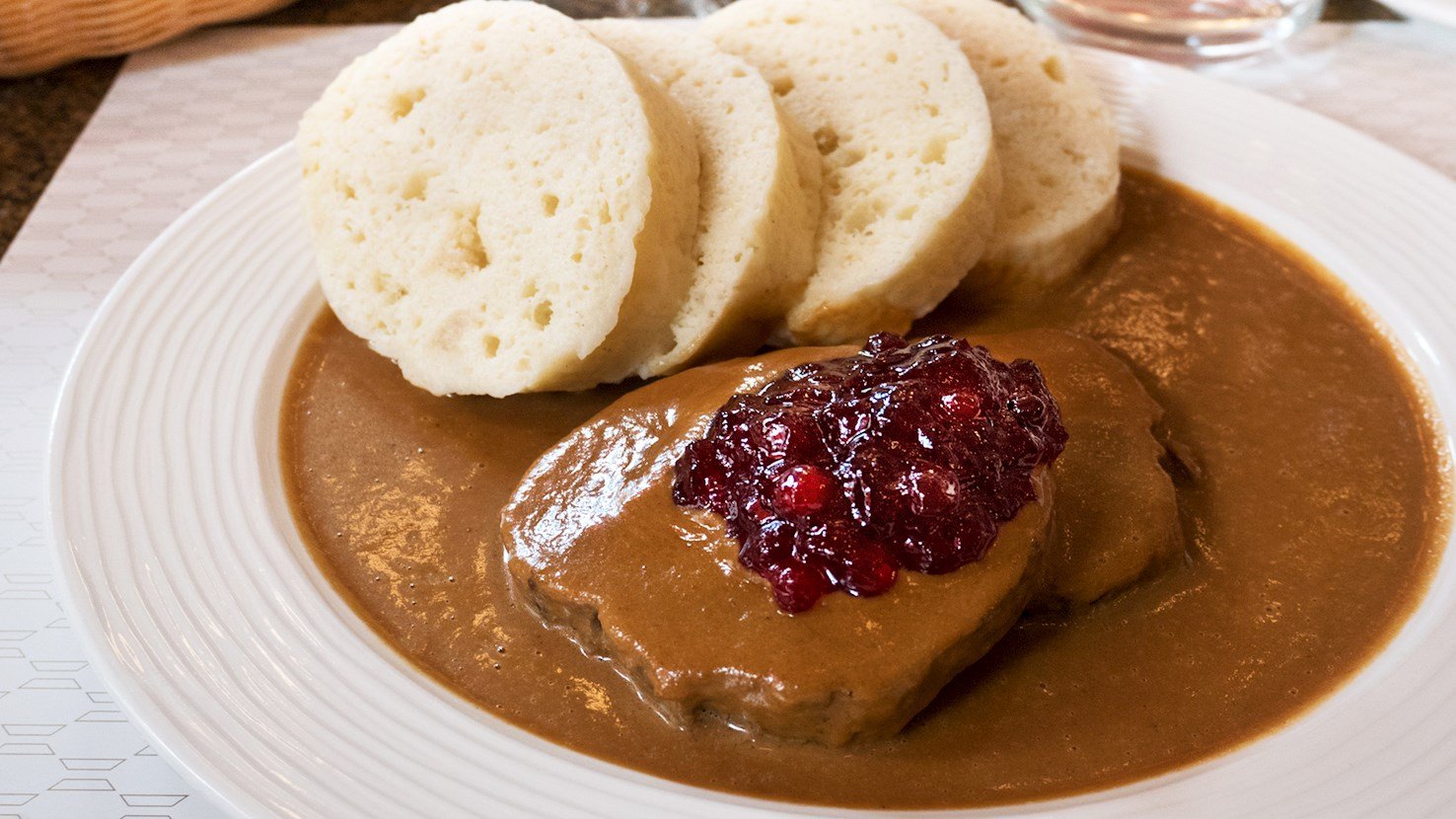
Czech food is hearty, comforting, and unapologetically satisfying—think rich sauces, tender meats, pillowy dumplings, and soups that warm you from the inside out. It’s the kind of cuisine that evolved from practical, farm-to-table roots in a land with cold winters and fertile fields, blending influences from neighbors like Germany, Austria, Hungary, and even France during the Habsburg era. While Czechia might not boast the global fame of Italian pasta or French pastries, its dishes carry deep cultural weight, often tied to family gatherings, Sunday lunches, and pub nights washed down with world-class beer.
I remember my first real taste of authentic Czech cooking during a trip to Prague years ago. I wandered into a no-frills hospoda (pub) off the main tourist drag, ordered what the locals were having, and ended up with a plate of roast pork, sauerkraut, and dumplings that changed how I viewed “simple” food. It wasn’t fancy, but every bite felt like home-cooked love. That’s Czech cuisine in a nutshell—humble ingredients transformed into something profoundly comforting.
The History and Influences Behind Czech Cuisine
Czech cuisine reflects centuries of cultural mixing in Central Europe. Medieval Bohemian diets relied on grains, root vegetables, and whatever meat was available seasonally, with pork becoming dominant as farming improved.
The Habsburg monarchy (from the 16th to early 20th century) brought Austrian elegance and French multi-course structures, influencing sauces and presentation. Hungarian paprika found its way into stews, while German sauerkraut and dumplings became staples. After the Velvet Revolution in 1989, global flavors arrived, but traditional dishes endured as symbols of national identity.
Today, Czech food balances rustic simplicity with rich flavors, often featuring cream, butter, or lard for depth. Meals typically include soup as a starter, a meat-heavy main, and sides like dumplings to soak up gravies.
Iconic Czech Soups: Starting Meals Right
Soups are non-negotiable in Czech dining—eaten year-round, even in summer. They range from light broths to thick, creamy bowls.
Česnečka (Garlic Soup)
This humble yet bold soup features loads of garlic simmered in broth, often topped with croutons, cheese, and a poached egg. It’s a hangover cure for many locals and packs a punch that clears the sinuses instantly.
Kulajda
A creamy potato soup loaded with mushrooms, dill, vinegar for tang, and usually a poached egg. It’s earthy, slightly sour, and incredibly comforting—perfect for rainy Prague days.
Other favorites include dršťková (tripe soup) for the adventurous and polévka z jater (liver soup) in rural areas.
Classic Main Dishes: Meat, Dumplings, and Sauces
Meat dominates, with pork leading, followed by beef, duck, and game. Sauces are key—thick, vegetable-based, often creamy.
Svíčková na Smetaně (Marinated Beef in Cream Sauce)
Often called the national dish, this features tender beef tenderloin marinated, braised, and served in a velvety sauce from root vegetables (carrots, celery, parsley), finished with cream. It’s topped with whipped cream, cranberries, and lemon for balance. The first written recipe dates to around 1805, blending Bavarian and French techniques.
Vepřo-Knedlo-Zelo (Roast Pork with Dumplings and Sauerkkraut)
The ultimate Czech comfort food: juicy roast pork (often shoulder or knuckle), bread dumplings, and tangy sauerkraut. It’s simple but executed perfectly in homes and pubs alike—many call it the “national meal.”
Pečená Kachna (Roasted Duck)
Crispy-skinned duck, usually with red cabbage and dumplings. It’s a festive treat, often for Sundays or holidays, with the fat rendering into pure flavor.
Hovězí Guláš (Beef Goulash)
Thicker and stew-like compared to Hungarian versions, this paprika-scented beef stew comes with onions and often bread dumplings. Variations use pork or game.
Smažený Sýr (Fried Cheese)
A vegetarian hero: edam or similar cheese breaded and fried, served with tartar sauce and fries. It’s pub grub perfection—crispy outside, gooey inside.
Dumplings: The Unsung Heroes of Czech Tables
Dumplings (knedlíky) are essential, acting as sauce sponges.
- Houskové Knedlíky (Bread Dumplings): Made from stale bread, flour, milk, and eggs—boiled or steamed, sliced, and fluffy.
- Bramborové Knedlíky (Potato Dumplings): Half potato, half flour—denser and great with rich sauces.
- Ovocné Knedlíky (Fruit Dumplings): Sweet versions stuffed with plums, apricots, or strawberries, topped with butter, sugar, and quark.
Sides, Snacks, and Street Foods
Bramboráky (Potato Pancakes)
Garlicky, crispy pancakes fried in lard—street food staple or side dish.
Uzené (Smoked Meats)
Smoked pork or sausages, often with horseradish.
Tatarák (Beef Tartare)
Raw beef with egg yolk, onions, capers—eaten with toast for beer snacks.
Obložené Chlebíčky (Open-Faced Sandwiches)
Elaborate toppings on bread—party favorites.
Desserts and Sweets
Czech sweets favor fruit and moderate sugar.
Koláče (Kolaches): Yeast pastries with fruit, poppy seeds, or quark fillings.
Lívance (Pancakes): Small, thick pancakes with jam or fruit.
Frgál: Moravian filled cake, often walnut or poppy seed.
Drinks: Beer and Beyond
Czechia brews the world’s best beer per capita—Pilsner Urquell started the pilsner style. Pair dishes with Pilsner, Budvar, or dark lagers. Becherovka (herbal liqueur) or slivovice (plum brandy) end meals.
Comparison of Popular Czech Main Dishes
| Dish | Main Protein | Key Accompaniments | Flavor Profile | Best Paired With |
|---|---|---|---|---|
| Svíčková na Smetaně | Beef | Cream sauce, cranberries, dumplings | Creamy, tangy, rich | Light beer or white wine |
| Vepřo-Knedlo-Zelo | Pork | Sauerkraut, bread dumplings | Savory, tangy, hearty | Pilsner lager |
| Pečená Kachna | Duck | Red cabbage, dumplings | Crispy, fatty, sweet-sour | Dark lager |
| Hovězí Guláš | Beef | Paprika stew, dumplings | Spicy, earthy | Beer or red wine |
| Smažený Sýr | Cheese | Tartar sauce, fries | Crispy, melty | Any beer |
Pros and Cons of Trying Traditional Czech Food
Pros:
- Incredibly filling and comforting—perfect for cold weather.
- Affordable in local spots.
- Pairs amazingly with beer.
- Variety from hearty meats to vegetarian options like fried cheese.
Cons:
- Heavy on cream, fat, and carbs—not ideal for light eaters.
- Limited vegan options traditionally.
- Can feel repetitive if you eat out often (lots of dumplings and gravy).
Where to Experience Authentic Czech Food
In Prague, seek family-run hospody like U Pinkasů or Lokál for classics. For upscale twists, try La Degustation. Outside cities, rural spots serve farm-fresh versions. Look for daily specials (denní menu) for value.
People Also Ask (PAA)
What is the national dish of Czech Republic?
Many point to svíčková na smetaně or vepřo-knedlo-zelo as the most iconic, representing everyday and celebratory eating.
Is Czech food spicy?
Not typically—flavors lean savory, creamy, tangy from vinegar or sauerkraut, with mild paprika in goulash.
What do Czech people eat for breakfast?
Simple: pastries like koláče, bread with butter/jam, coffee or tea. Lunch is the big meal.
Is there vegetarian traditional Czech food?
Yes—smažený sýr, bramboráky, fruit dumplings, and soups like kulajda (minus meat additions).
What beer goes best with Czech food?
Pilsners like Pilsner Urquell cut through richness; try světlý ležák (pale lager) with most dishes.
FAQ
What makes Czech cuisine unique?
Its focus on hearty, sauce-heavy meals with dumplings as the perfect vehicle for flavors, rooted in seasonal, local ingredients and Central European influences.
Is Czech food healthy?
It’s nutritious from vegetables and meats but calorie-dense—best enjoyed in moderation.
Can I find good Czech food outside Czechia?
Yes, in cities with Czech communities (Chicago, Vienna), but authenticity shines in Czechia due to fresh ingredients.
What’s a good starter dish for first-timers?
Try kulajda soup and svíčková—comforting and representative.
How important is beer to Czech meals?
Essential—Czechs consume the most beer per capita globally, and many dishes evolved as perfect pairings.
Czech food isn’t about flash—it’s about satisfaction, tradition, and sharing. Next time you’re in Czechia, skip the tourist traps and head to a local spot. One bite of svíčková or roast duck with a cold pilsner, and you’ll understand why locals cherish these dishes generation after generation.