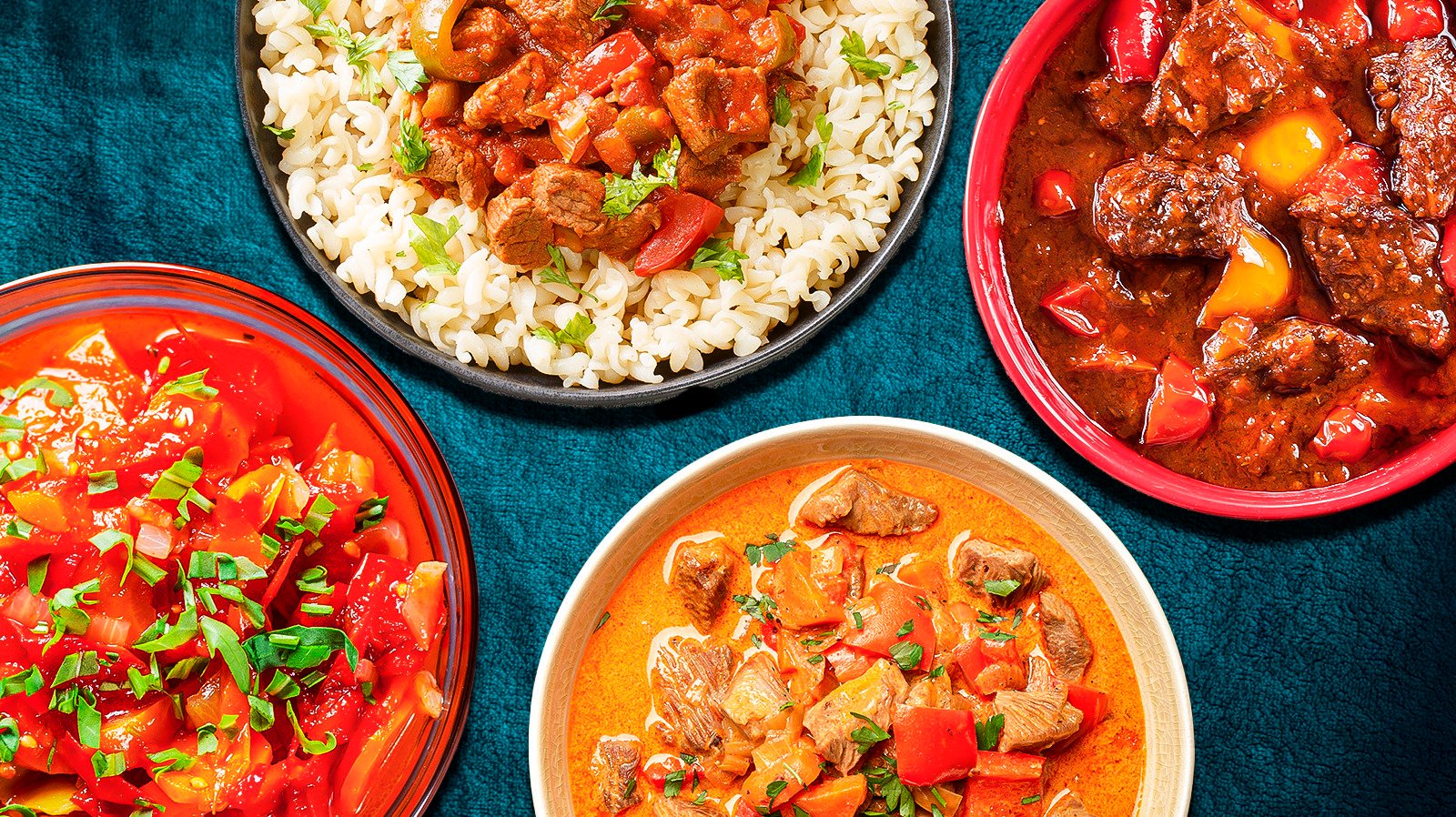
Hungarian cuisine is one of those hidden gems in Europe that hits you right in the comfort-food spot. It’s hearty, flavorful, and unapologetically rich—think lots of paprika, sour cream, slow-simmered meats, and dishes that warm you from the inside out on a chilly day. I’ve had the chance to dig into this food during trips to Budapest and beyond, and let me tell you, once you taste authentic versions, the stuff you find outside Hungary just doesn’t compare. The country’s love for paprika isn’t hype; it’s the soul of so many meals.
This list of 16 Hungarian dishes you need to try at least once draws from classics that locals eat regularly and some that show up at family gatherings or festivals. They’re not just food—they’re pieces of history, from nomadic Magyar roots to Ottoman and Austrian influences. Whether you’re planning a trip or cooking at home, these will give you a real taste of Hungary.
1. Gulyás (Goulash Soup)
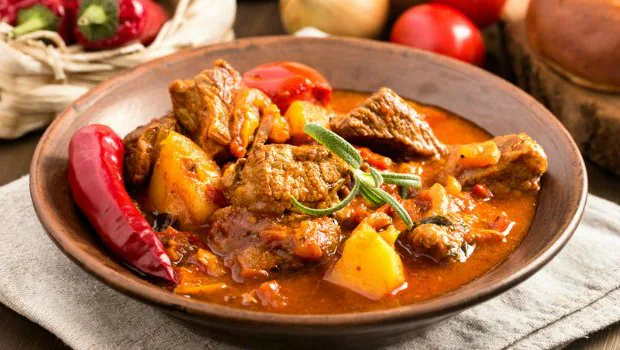
Gulyás isn’t the thick stew many think of—it’s a hearty soup with tender beef, potatoes, carrots, and a generous dose of paprika that gives it that signature red hue.
The real deal comes from herdsmen cooking over open fires, and it’s still a Sunday staple in many homes. I remember slurping a bowl in a small Budapest eatery after a long walk along the Danube—it was simple, smoky, and deeply satisfying.
2. Csirkepaprikás (Chicken Paprikash)
Chicken pieces simmered in a velvety sauce of onions, garlic, tons of paprika, and finished with sour cream—served over nokedli (little dumplings).
This dish screams comfort. My first time trying it homemade by a Hungarian friend, the sauce was so rich I mopped up every drop with bread. It’s milder than you’d expect, with paprika adding earthiness rather than heat.
3. Pörkölt (Meat Stew)
A thicker, more intense stew than goulash, usually pork or beef, slow-cooked with onions and paprika until the meat falls apart.
Pörkölt is bolder and darker—perfect for when you want something robust. Pair it with tarhonya (toasted egg pasta) for the full experience. It’s one of those dishes that improves as leftovers the next day.
4. Lángos
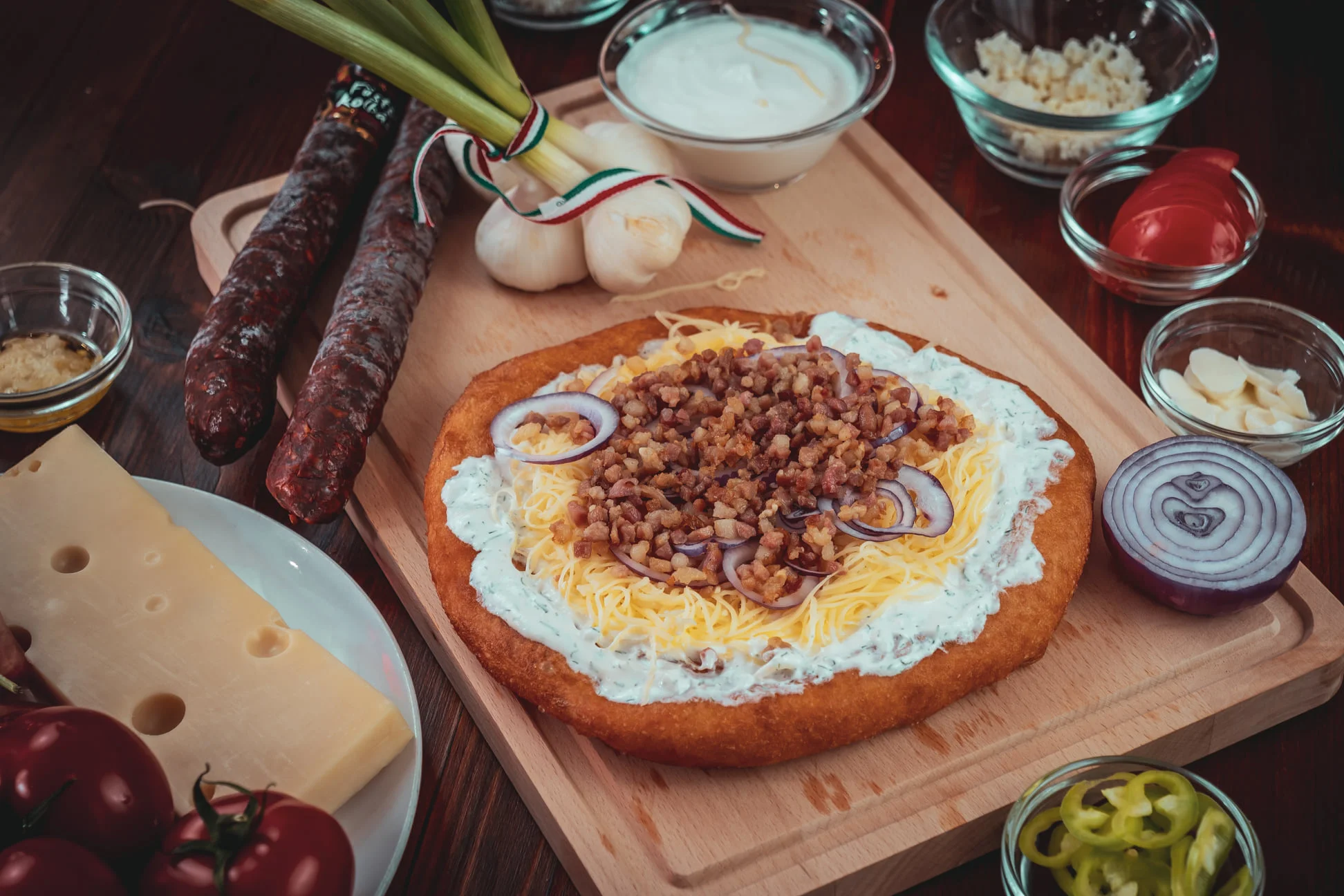
Deep-fried dough topped with garlic, sour cream, cheese, or whatever you fancy—street food at its finest.
Hot and crispy outside, soft inside—it’s Hungary’s answer to pizza or fries. I devoured one covered in cheese at a market in Budapest, and it was greasy perfection after a night out.
5. Halászlé (Fisherman’s Soup)
Spicy fish soup made with carp or catfish, loaded with hot paprika and served with bread.
From the Tisza or Danube regions, this one’s fiery—use sweet paprika if heat isn’t your thing. The broth is intense and soul-warming, especially in colder months.
6. Töltött Káposzta (Stuffed Cabbage Rolls)
Cabbage leaves filled with minced meat, rice, and spices, simmered in tomato sauce.
A cozy winter dish with Eastern European roots. The sour cabbage version adds tanginess that’s addictive. Family recipes vary, but it’s always a hug on a plate.
7. Hortobágyi Palacsinta
Savory pancakes stuffed with veal or chicken paprikash filling, topped with sour cream and paprika sauce.
Named after the Hortobágy plain, these are indulgent. The contrast of creamy filling and tangy topping makes every bite interesting.
8. Lecsó
A vegetable stew of peppers, tomatoes, onions, and sometimes sausage or eggs.
Like ratatouille but Hungarian-style—fresh and versatile. Eat it as a side, main, or breakfast with eggs. It’s one of the lighter dishes that balances the heavier ones.
9. Chimney Cake (Kürtőskalács)
Sweet dough rolled around a cylinder, grilled, and coated in sugar, cinnamon, or nuts.
Street vendors spin these over coals—crispy outside, soft inside. The smell alone draws crowds at festivals. Add chocolate or walnuts for extra decadence.
10. Túró Rudi
Cottage cheese-filled chocolate bar—Hungary’s beloved snack.
It’s quirky but addictive—creamy cheese inside a chocolate shell. Kids and adults love it; grab one from any convenience store.
11. Dobos Torta
Layered sponge cake with chocolate buttercream and caramel topping.
Invented in the 19th century, the crisp caramel slices make it unique. It’s rich but not overly sweet—perfect with coffee.
12. Palacsinta
Thin pancakes filled with sweet or savory options—jam, nuts, cottage cheese, or meat.
Versatile like crepes but more Hungarian twists. Sweet versions dusted with powdered sugar are breakfast heaven.
13. Rakott Krumpli (Layered Potatoes)
Casserole of potatoes, sausage, eggs, and sour cream, baked until bubbly.
Comfort food supreme—layers of flavor in every bite. It’s a potluck favorite and reheats beautifully.
14. Főzelék
Thick vegetable stew (peas, beans, etc.), often with roux and served with meatballs or fried egg.
Simple but nourishing—Hungarians eat it weekly. It’s like a creamy soup you eat with a spoon and bread.
15. Töltött Paprika (Stuffed Peppers)
Bell peppers filled with meat and rice, in tomato sauce.
Similar to cabbage rolls but brighter. Summer version uses fresh peppers—juicy and flavorful.
16. Somlói Galuska
Trifle-like dessert with sponge cake, chocolate, walnuts, rum, and whipped cream.
Named after Somló hill, it’s boozy and decadent. The layers create a messy, delicious chaos.
Comparison Table: Stews at a Glance
| Dish | Base Meat | Thickness | Spice Level | Typical Side |
|---|---|---|---|---|
| Gulyás | Beef | Soup | Mild-Medium | Bread |
| Pörkölt | Pork/Beef | Thick Stew | Medium | Noodles/Potatoes |
| Csirkepaprikás | Chicken | Sauce-based | Mild | Nokedli |
Pros and Cons of Hungarian Cuisine
Pros:
- Bold flavors from paprika and sour cream
- Hearty portions that satisfy
- Variety from soups to sweets
- Comforting and seasonal
Cons:
- Can be heavy and rich (not ideal every day)
- Paprika-heavy (overpowering for some)
- Limited vegetarian options traditionally
People Also Ask
What is the most famous Hungarian dish?
Gulyás (goulash soup) takes the crown—it’s the national dish and what most people associate with Hungarian food.
Is Hungarian food spicy?
Not usually—sweet paprika adds color and flavor, while hot paprika is optional for heat.
What is a typical Hungarian breakfast?
Often light: bread with butter, jam, or túró (cottage cheese), plus coffee or tea. Pastries like túrós batyu are common.
What desserts are popular in Hungary?
Dobos torta, somlói galuska, and chimney cake stand out—rich, layered, and indulgent.
Where to try authentic Hungarian food in Budapest?
Places like traditional csárda (taverns) or markets for street food. Look for spots serving homemade-style dishes.
FAQ
What makes Hungarian food unique?
The heavy use of paprika (introduced in the 16th century), sour cream in sauces, and hearty stews from nomadic traditions set it apart.
Is Hungarian food healthy?
It’s nutritious with veggies and meats but calorie-dense from fats and creams—best enjoyed in moderation.
Can I make these dishes at home?
Absolutely—key is good Hungarian paprika and sour cream. Start with chicken paprikash or goulash; recipes are straightforward.
What’s the difference between goulash and pörkölt?
Goulash is soupier with more veggies; pörkölt is thicker, meat-focused, and often spicier.
Are there vegetarian Hungarian dishes?
Yes—lecsó, főzelék, or palacsinta with jam/cottage cheese. Traditional cuisine is meat-heavy, but adaptations exist.
Hungarian food isn’t fancy—it’s honest, warming, and full of heart. If you try even a few from this list, you’ll understand why Hungarians are so proud of their table. Next time you’re craving something soul-satisfying, reach for that paprika jar or book a trip. Your taste buds will thank you.