I still remember my first real taste of Austria, huddled in a tiny Gasthaus in the Tyrolean Alps after a brutal ski day. The air was thick with the scent of sizzling butter and caramelized onions, and a steaming plate of Tiroler Gröstl landed in front of me—crispy potatoes, tender beef, and a fried egg winking from the top. One bite, and I was hooked. That moment captured what Austrian cuisine is all about: hearty, no-fuss comfort that wraps you in warmth, drawing from centuries of emperors, farmers, and neighbors who shaped it into something uniquely inviting.
Austrian food isn’t just about filling your belly—it’s a story of resilience and joy. Born from the sprawling Habsburg Empire, it blends German precision, Hungarian spice, Italian flair, and Bohemian soul. Think tender boiled beef from imperial kitchens, crispy schnitzel refined over generations, and strudels so delicate they seem to float. Yet it’s grounded in the Alps, where simple ingredients like speck, cheese, and potatoes become legends. Whether you’re in Vienna’s grand cafés or a mountain hut, every dish whispers “Gemütlichkeit”—that cozy, unhurried vibe that makes eating here feel like coming home.
This guide dives deep into Austria’s culinary treasures. We’ll explore the icons, the hidden gems, and how to savor them like a local. From breakfast spreads to late-night Würstelstands, you’ll discover why this food endures. And yes, we’ll cover where to find it, how to make it at home, and even tackle the big questions. Ready to dig in? Let’s start with the flavors that define a nation.
The Roots of Austrian Cuisine
Austrian cooking tells the tale of a crossroads empire, where borders blurred and recipes traveled. The Habsburgs ruled vast lands, pulling in paprika from Hungary, pasta tricks from Italy, and dumpling know-how from Bohemia. Today, it’s a harmonious mix—elegant yet earthy, always rooted in fresh, seasonal bounty.
From Vienna’s coffee houses to Tyrol’s chalets, the philosophy is simple: quality over flash. Meats are slow-cooked for tenderness, pastries stretched by hand, and sides elevate the main. It’s food that honors the land, from Styrian pumpkin oil to Wachau apricots.
Breakfast and Brunch: The Perfect Austrian Start
Austrians don’t rush mornings. Breakfast is a ritual—fresh Semmel rolls, creamy butter, and a spread of cheeses, cold cuts, and jams. Add a frothy Melange coffee, and you’re set for the day. It’s light yet satisfying, bridging the hearty lunches ahead.
In homes and hotels, you’ll find muesli or yogurt with fruit, but the star is the bread basket. Try it with Verhackert, a smoky bacon spread from Styria, for a savory twist that wakes up your taste buds.
Classic Austrian Breakfast Staples
- Semmeln: Crisp rolls, still warm from the bakery.
- Käse: Mountain cheeses like Bergkäse, sharp and nutty.
- Aufstriche: Jams from local fruits, or Nutella for the kids.
- Eier: Soft-boiled or scrambled, often with chives.
Starters and Soups: Warming Up the Palate
Soups are Austria’s secret weapon—clear broths that soothe, or rich stews that satisfy. A bowl of Frittatensuppe starts many meals, its pancake strips dancing in beef stock. These aren’t afterthoughts; they’re the gentle entry to bigger flavors.
In winter, Gulaschsuppe hits the spot, spicy and soulful. Summer brings lighter options like chilled pumpkin cream, drizzled with green Styrian oil. Order one, and you’ll understand why Austrians linger over them.
Must-Try Soups
- Leberknödelsuppe: Liver dumplings in clear broth—earthy and comforting.
- Kaspressknödelsuppe: Fried cheese dumplings, a Tyrolean favorite.
- Wiener Erdäpfelsuppe: Potato soup with herbs, thick and velvety.
The Main Event: Signature Meats and Mains
Austria’s mains are built for sharing and savoring. Veal, pork, and beef take center stage, prepared with care—fried crisp, boiled tender, or roasted golden. Pair them with dumplings or salad, and you’ve got a feast.
These dishes vary by region, but the thread is consistency: no shortcuts, just generations of know-how. A good Gasthaus makes them feel effortless, yet each bite reveals the love.
Wiener Schnitzel: The National Treasure
Thin veal pounded whisper-thin, coated in breadcrumbs, and fried to a shatter. Served with lemon and Erdäpfelsalat, it’s Austria’s pride—crispy outside, juicy within. Skip the pork version for authenticity; true Wiener uses veal from happy calves.
I once watched a chef in Vienna demonstrate the three-step breading. “No sauce!” he insisted. “Just pure joy.” At €22-35, it’s worth every cent at spots like Figlmüller.
Tafelspitz: The Emperor’s Boil
Boiled beef from the rump, simmered with root veggies until fork-tender. Served sliced with horseradish, apple sauce, and chive sauce—plus the broth as a starter. Emperor Franz Joseph ate it daily; now it’s everyday luxury.
Try it in Vienna for €26-38. The slow cook makes the meat melt, a reminder that patience pays off.
Tiroler Gröstl: Alpine Leftovers Perfected
Pan-fried potatoes with onions, meat scraps, and a sunny-side egg. Smoky, crispy, and utterly addictive—born from thrift, now a ski-hut staple. Variations add cheese in some valleys.
Perfect after hikes, at €13-19. Top with fried onions for extra crunch.
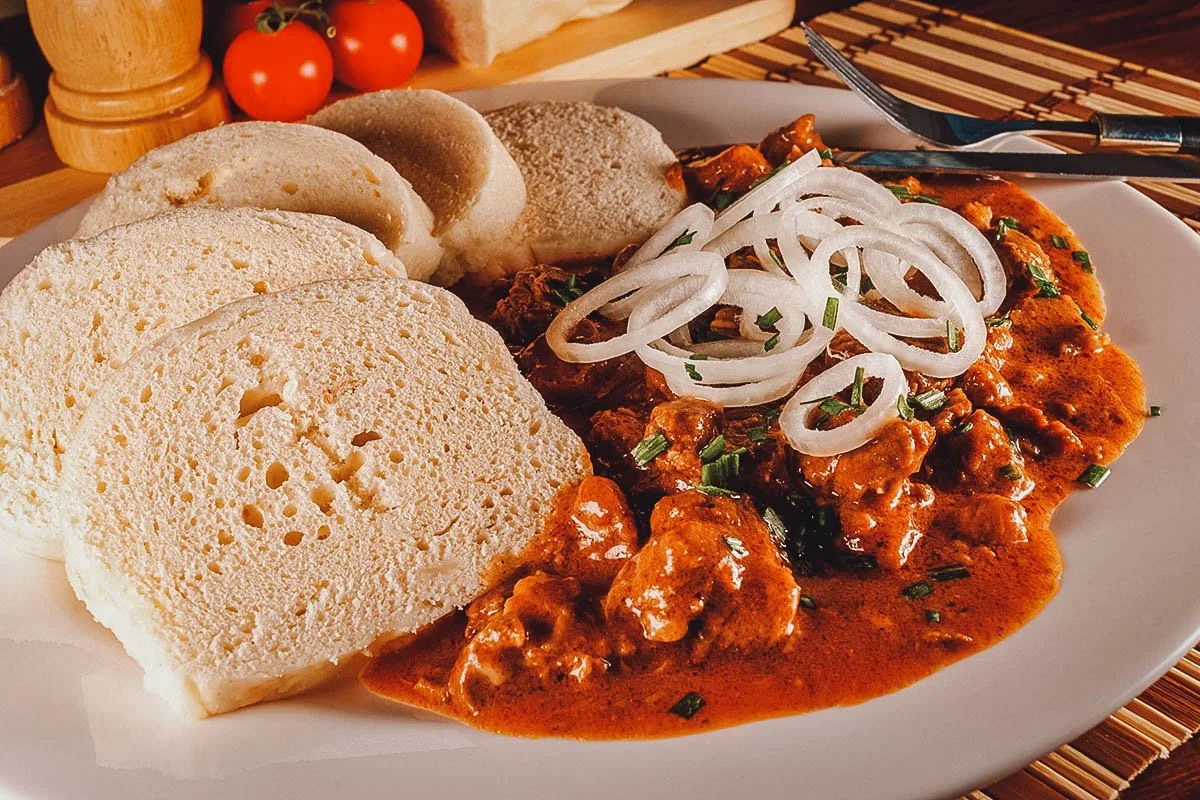
Gulasch: The Spicy Stew
Tender beef in a paprika-rich gravy, no veggies cluttering it. Hungarian roots, but Austrian heart—served with Knödel or noodles. Fiaker Gulasch adds sausage for a twist.
Comfort in a bowl, €15-22. Pairs brilliantly with a crisp Grüner Veltliner.
Schweinebraten: Sunday Roast Done Right
Pork shoulder roasted to crackling perfection, with caraway and juicy gravy. Accompanied by dumplings and Kraut—pure Alpine soul.
A family favorite, €18-26. The smell alone draws you in.
Backhendl: Fried Chicken Elevated
Buttermilk-marinated chicken, breaded and fried golden. Styrian style shines with pumpkin seed oil. Lighter than it sounds, yet deeply satisfying.
Weekend treat, €17-24. Dip in lemon for zing.
Zwiebelrostbraten: Onion-Topped Steak
Juicy beef seared, crowned with fried onions and gravy. Simple, but the onions make it sing.
A hearty pick, often €20+. Great with beer.
Stelze: The Crispy Knuckle
Pork hock boiled then roasted—crackling skin, fall-apart meat. A beer-garden classic.
Festive and fun, €22+.
Beuschel: Offal for the Brave
Lung and heart stew, creamy and rich. Nose-to-tail at its best—don’t knock it till you try.
Traditional in Vienna, €15-20.
Dumplings: Austria’s Comfort Food Staple
Knödel are the glue holding Austrian meals together—fluffy orbs that soak up sauces like sponges. From savory to sweet, they’re versatile stars.
Bread, potato, or cheese bases make them endless. In Tyrol, Speckknödel rules; in Salzburg, spinach versions.
| Dumpling Type | Key Ingredients | Best Paired With | Region |
|---|---|---|---|
| Semmelknödel | Bread, milk, eggs | Roasts, goulash | Nationwide |
| Speckknödel | Bacon bits | Soups, meats | Tyrol |
| Kaspressknödel | Cheese cubes | Broths | Vorarlberg |
| Germknödel | Yeast, plum jam | As dessert | Alps |
Sides That Steal the Show
Don’t overlook the supporting cast. Erdäpfelsalat—warm potato salad with vinegar dressing—is a schnitzel must. Sauerkraut adds tang, while Rotkraut brings sweetness to roasts.
These aren’t fillers; they’re flavor boosters. A simple salad can turn a meal into a memory.
Top Sides
- Erdäpfelsalat: Tangy, no mayo—pure potato bliss.
- Kraut: Fermented cabbage, crisp and bright.
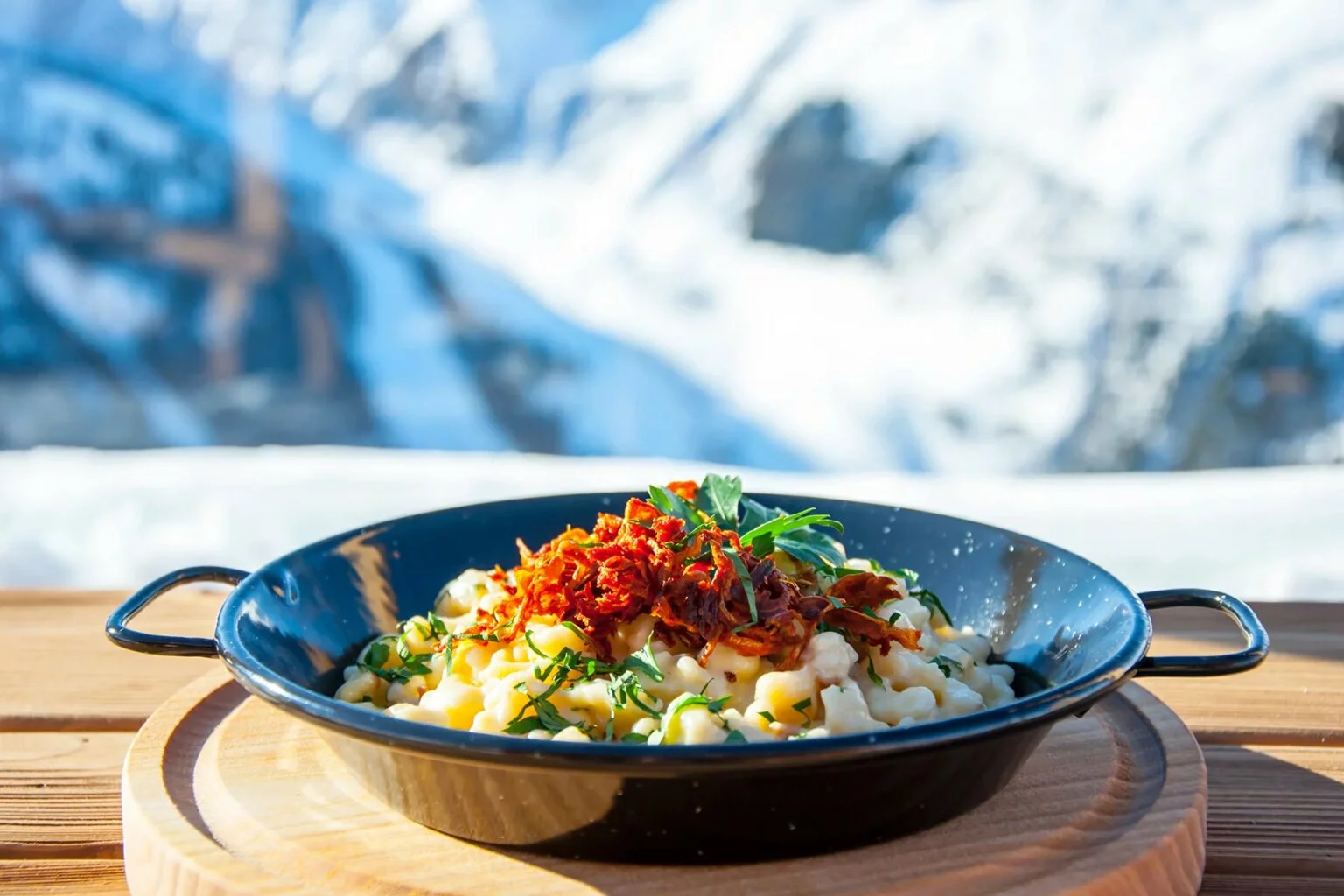
- Spätzle: Egg noodles, often cheesy.
Sweet Delights: Desserts That Define Austrian Indulgence
Austrian sweets are legendary—layered, flaky, and unapologetically rich. From coffee with cake to après-ski treats, they balance the savory mains perfectly.
Cafés are temples to these, where a slice and a Melange transport you. Freshness is key; seek out Konditoreien.
Sachertorte: Chocolate Royalty
Dense chocolate cake with apricot jam, glazed in dark chocolate. Invented in 1832, it’s Vienna’s gift to the world. Serve with unsweetened Schlag.
Iconic at Hotel Sacher, €9-13. The original recipe is a guarded secret.
Apfelstrudel: Flaky Perfection
Hand-stretched dough wrapped around tart apples, raisins, and cinnamon. Baked crisp, dusted with sugar—warm with vanilla sauce.
Everywhere, €7-11. Watch the dough stretch; it’s hypnotic.
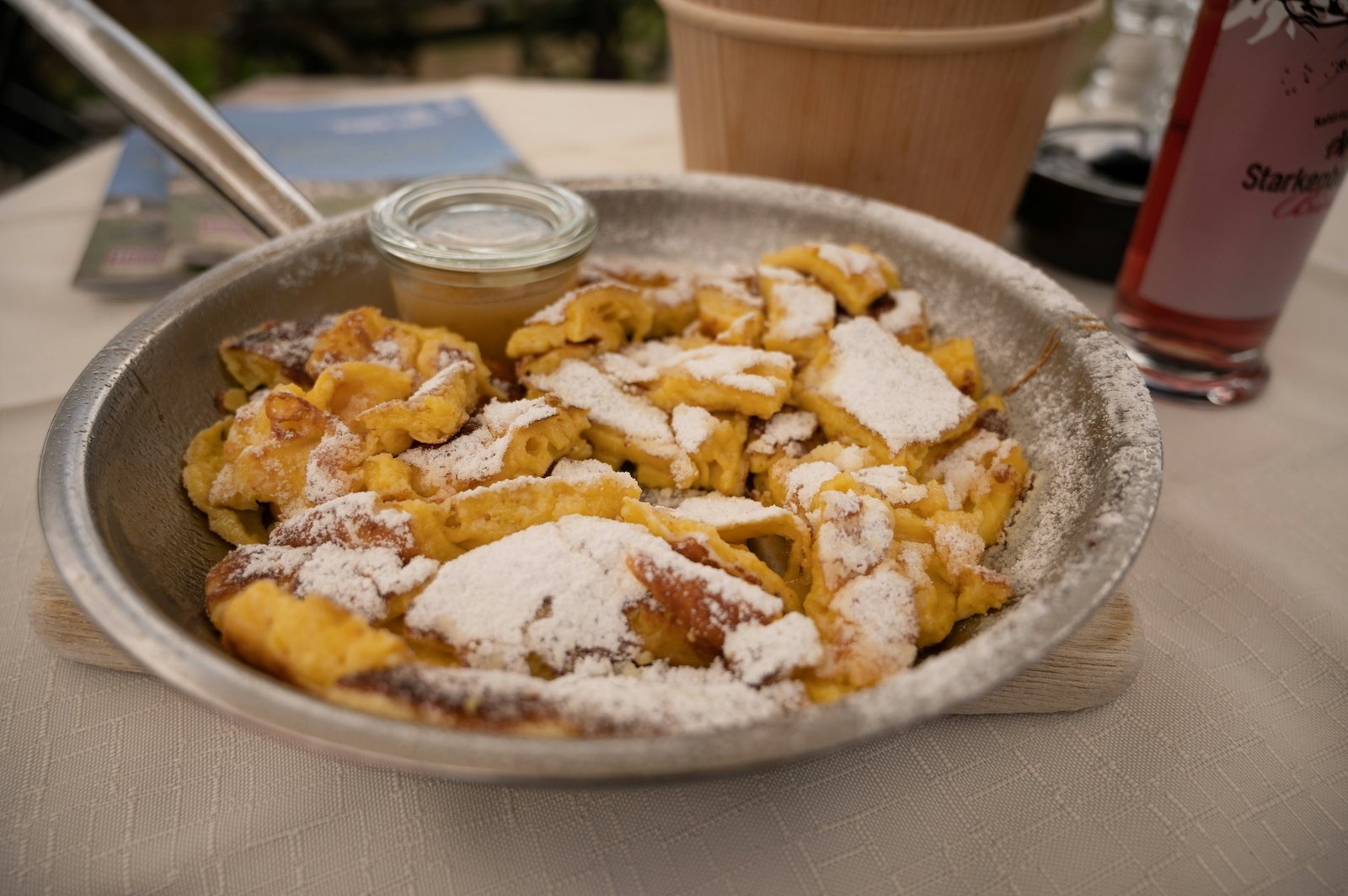
Kaiserschmarrn: Torn Pancake Magic
Fluffy batter with raisins, ripped apart and caramelized. Topped with powdered sugar and plum compote. Named for an emperor’s “emperor’s mess.”
Ski lunch hero, €11-15. Light yet filling.
Linzer Torte: Nutty Jam Tart
Almond crust with raspberry filling and lattice top. Austria’s oldest cake, from Linz.
Holiday staple, €5-8 slice.
Marillenknödel: Apricot Dumplings
Whole apricots in quark dough, boiled and breadcrumb-rolled. Summer’s sweet surprise.
Seasonal joy, €10-14.
Regional Flavors: From Vienna to the Alps
Austria’s nine states each add their spin. Vienna leans elegant, Tyrol rustic, Styria vibrant. Travel the country, and your plate changes with the landscape.
This diversity keeps things exciting. A Vienna schnitzel differs from its Tyrolean cousin—subtler spices, local beef.
Vienna: Imperial Elegance
Refined yet approachable. Coffee houses pair pastries with history. Try Tafelspitz at Plachutta.
The city’s pulse: bustling, sophisticated.
Tyrol: Mountain Heartiness
Speck and cheese dominate. Gröstl in huts, Kaiserschmarrn by the fire.
Rugged and rewarding.
Styria: Green Gold Country
Pumpkin seed oil everywhere—on salads, in ice cream. Brettljause platters at Buschenschanks.
Fresh and flavorful.
Salzburg: Mozart’s Sweet Spot
Nockerl soufflés, fish from lakes. Salzburger Nockerl puffs like clouds.
Musical and light.
Upper Austria: Dumpling Heaven
Linzer torte rules. Hearty stews and polenta sides.
Cozy and traditional.
Austrian Beverages: Pairing Perfection
No meal is complete without a drink. Coffee culture is world-class—Melange for mornings, Einspänner for afternoons. Wines like Grüner Veltliner cut through richness; beers refresh.
Schnaps caps it off, fruity and fiery. In Heurigen, young wines flow freely.
Signature Sips
- Grüner Veltliner: Crisp white, peppery notes.
- Heuriger: New wine, slightly fizzy.
- Almdudler: Herbal lemonade, non-alcoholic hero.
- Schnaps: Apricot or pear—potent digestif.
Eating Like a Local: Best Places and Tips
Seek out Gasthäuser for authenticity—wooden tables, smiling servers. In Vienna, hit Naschmarkt for street bites; in Innsbruck, mountain restaurants. Book ahead for weekends.
Tips: Share plates, go for daily specials, and always tip 10%. Vegetarians? Käsespätzle and salads abound.
Top Spots by City
- Vienna: Figlmüller (schnitzel), Café Central (coffee).
- Salzburg: St. Peter Stiftskulinarium (historic).
- Innsbruck: Die Wilderin (Tyrolean twists).
- Graz: Styrian Buschenschanks.
Bringing Austria Home: Recipes and Cooking Tips
Recreate the magic in your kitchen. Start simple—schnitzel is foolproof with practice. Stock up on caraway, paprika, and good butter.
Pros: Affordable ingredients, forgiving techniques. Cons: Time for doughs, but worth it.
Easy Home Recipes
- Wiener Schnitzel: Pound veal, bread, fry hot. Serve lemony.
- Apfelstrudel: Stretch dough thin, fill, roll, bake 30 mins.
- Kaiserschmarrn: Batter up, cook, tear, sugar-dust.
Austrian Cuisine Today: Modern Twists and Health Insights
Chefs are innovating—vegan schnitzel, lighter goulash. Yet classics endure. It’s balanced: proteins fuel, veggies refresh.
Health Pros & Cons
| Aspect | Pros | Cons |
|---|---|---|
| Nutrition | Fresh herbs, seasonal produce | Heavy on fats in winter dishes |
| Portions | Shareable, satisfying | Calorie-dense for active days |
| Variety | Veggie options rising | Meat focus can overwhelm |
Overall, it’s nourishing when savored mindfully.
People Also Ask About Austrian Cuisine
What is Austrian food known for?
Hearty meats like Wiener Schnitzel and Tafelspitz, plus delicate pastries. It’s a blend of comfort and elegance from Central Europe.
Is Austrian cuisine healthy?
It can be—think grilled fish and salads—but classics are rich. Balance with walks in the Alps, and opt for lighter regional takes.
What are the best Austrian desserts?
Sachertorte for chocolate lovers, Apfelstrudel for flaky bliss, and Kaiserschmarrn for fun, torn pancakes.
Where to eat authentic Austrian food in Vienna?
Gasthäuser like Zum Weissen Rauchfangkehrer for Tafelspitz, or markets for quick bites.
How does Austrian food differ from German?
Similar roots, but Austria adds Hungarian spice and Italian lightness. More dumplings, less sauerkraut dominance.
FAQ: Your Burning Questions Answered
What should I try first in Austria?
Wiener Schnitzel—it’s the gateway. Follow with strudel for dessert.
Are there vegetarian Austrian dishes?
Absolutely. Käsespätzle, Erdäpfelsalat, and sweet Knödel shine. Many spots offer plant-based twists now.
How much does a typical Austrian meal cost?
Mains €15-30, desserts €7-12. Budget €40-60 per person with drinks in cities.
What’s the best time to visit for food festivals?
Autumn for harvest markets, winter for Christmas Glühwein and treats.
Can I find Austrian food outside Austria?
Yes, in German-speaking spots worldwide, but nothing beats the real deal in situ.
Austrian cuisine isn’t just eating—it’s living. From snowy peaks to city lights, these flavors linger long after the plate’s cleared. Pack your appetite, and let Austria feed your soul. Guten Appetit!